
What happens in Vegas no longer stays in Vegas—just ask anyone browsing offshore sportsbooks for bets beyond the Strip. The city’s latest trick? Making casino chips disappear from its balance sheets. Hotel stays now generate more cash than blackjack tables, a twist even the Rat Pack wouldn’t have seen coming.
When neon signs were new, gambling funded 61¢ of every dollar here. Today, that number has shrunk to 34¢ – less than the average casino cocktail tip. Why build another roulette wheel when you can sell $25 artisanal tacos to Instagram-happy crowds?
International visitors spend 40% more on spa treatments than domestic tourists. Convention-goers pay $600/night for rooms overlooking parking garages. Even baseball’s getting in on the action: Oakland’s planned stadium deal makes financial sense here precisely because it’s not about sports betting. As Bally’s execs admitted last quarter: “The old math doesn’t work anymore.”
This isn’t your grandfather’s desert oasis. The real jackpot now comes from experiences you can’t cash out – like celebrity chef dinners, poolside bottle service, and $100 Cirque tickets. The house wins, but it collects from different pockets.
Introduction: The Decline in Gaming Revenue Share
Las Vegas has changed a lot. Gone are the days of just poker chips and casinos. Now, the big money is in $500 resort fees and avocado toast brunches. Gaming’s share of Clark County revenue has dropped from 58% in 1984 to 34% today.
42 million visitors in 2024 didn’t come for the slots. Only 2% said gambling was their main reason. This shows a big change in what Vegas offers.
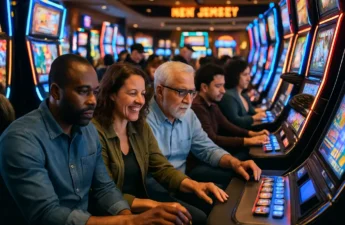
Vegas now focuses on experiences over payouts. The casino floor is more about taking photos than playing games. Hotels make more money than gaming areas, with hotels like the Westin adding more meeting space.
Here are three key points:
- Convention attendees now outnumber traditional gamblers 3:1
- Average daily room rates have doubled in value
- Nightclub revenue beats blackjack table earnings on weekends
Vegas has turned into “Disneyland for adults”, not a place for gamblers. A casino executive said, “We make more money from selfies in our pools than from pool (the card game).” Next, we’ll look at where the money goes when it’s not in slots.
Major Non-Gaming Revenue Sources
Las Vegas casinos now focus on luxury and dining over poker chips. 64% of Strip income comes from non-gaming experiences. Your hotel minibar bill is more important than your blackjack losses.

Hotels and Resorts
The $1.5 billion Bally’s project is not adding gaming floors. Instead, it’s a 3,000-room resort with “sleep concierges” and pickleball courts. Room rates now make 42% higher margins than casino floors.
Restaurants and Bars (F&B)
Celebrity chefs earn more than celebrity dealers. The Strip’s 600+ dining venues make $3 billion a year. High-roller suites have personal mixologists, and casino apps suggest cocktails based on your betting strategy.
Retail & Entertainment
Vegas sells FOMO better than any city. The Sphere’s $2.3 billion price tag is worth it for 18,600 fans paying $400 for U2. Retail sales hit $7.2 billion last year, showing people spend on experiences, not just at the craps table.
| Revenue Source | 2023 Growth | High-Profile Project | Margin vs Gaming |
|---|---|---|---|
| Luxury Hotels | +18% | Bally’s 3000-room Resort | 42% Higher |
| Fine Dining | +14% | Wynn’s 10 New Concepts | 28% Higher |
| Live Events | +22% | Sphere Venue | 61% Higher |
| Conventions | +9% | Wynn Convention Expansion | 33% Higher |
Convention & Event Income
Wynn’s new 400,000sqft convention space hosts tech summits and EDM festivals. This dual-use strategy keeps hotels 78% occupied midweek. The real genius? Turning trade show attendees into nightclub VIPs through targeted app offers.
Casinos now segment customers by experience appetite. The high-roller who spends $10k on dinner gets VIP treatment. It’s not diversification. It’s evolution.
Y-o-Y and Historical Comparisons
Remember when Vegas counted cards? Now, it’s all about concert tickets and jersey sales. The Strip’s revenue has changed a lot, like a Blackjack dealer’s wrist. Let’s look at how domestic and international spending are changing casino economics.
Sports spending now runs the table, up 177% from 2019. That $357 per visitor average on games is huge. Domestic crowds spend like they’re in a new casino, while international guests spend like high rollers at a baccarat table.
| Category | Domestic Spend (2024) | International Spend (2024) | Y-o-Y Change |
|---|---|---|---|
| Entertainment/Shows | $142 | $489 | +41% |
| Sports Events | $357 | $88 | +177% |
| Dining | $203 | $317 | +29% |
The real twist? VIP junket activity analysis shows Macau whales have been replaced by Swifties. International visitors now spend triple on Cirque shows than on casino tables. Domestic “whales” spend like they’re betting on the Chiefs, not the Martingale system.
In 2014, junkets made up 18% of Strip revenue. Now, that number is much lower. The new high rollers come in family minivans, not private jets. They’d bet on Mahomes over the Martingale system.
Innovations Shaping the Next Decade
Imagine earning loyalty points for buying a house, not just playing blackjack. Vegas casinos are now targeting soccer moms instead of high rollers. The $380 million Hylo Park youth sports complex is more than a playground. It’s a way for Lennar Homes to sell suburban dreams while MGM Resorts tracks parents for timeshare sales.

This isn’t just diversification. It’s turning casinos into gold mines. Casino loyalty programs now track:
- Little League registration fees (future timeshare leads)
- Concession stand purchases (data gold for F&B partnerships)
- Hotel stays during tournaments (dynamic pricing experiments)
The Golden Knights’ move into youth hockey shows the real goal: monetizing empty spaces through community capture. Why build new arenas when you can turn blackjack pits into skating rinks? Selling $9 hot chocolates to parents is just the start.
Lennar’s partnership with Hylo Park is a masterstroke. Every soccer mom who buys a “tournament-friendly” home becomes a revenue stream. Mortgage payments fund casino renovations, while kids’ schedules control hotel rates. It’s market segmentation so precise, even Amazon would be impressed.
Looking ahead, loyalty programs will become cross-industry behavioral banks. Your Starbucks app points might get you discounted Cirque du Soleil tickets. Caesars Rewards could soon track Peloton metrics for spa upgrades. The aim is to make every action – from yoga to mortgage apps – boost Vegas’ non-gaming ecosystem.
As one insider said: “We’re not in the gambling business anymore. We’re in the ‘how many ways can we monetize your existence’ business.” Grandpa, you’ve been checkmated.
Impact on Traditional Casino Models
Who needs slot machines when you can sell avocado toast at 300% markup? The Westin Las Vegas answered this question by ripping out its casino floor entirely. This move boosted RevPAR 22% through meetings and celebrity chef restaurants. It turns out, conventioneers spending $42 on craft cocktails have better margins than penny slots.
This shift shows three key changes in casino customer segmentation strategies:
- The “whale” hunt became the “school of fish” net: High rollers now contribute just 28% of Strip revenue vs 42% in 2010 (Nevada Gaming Commission)
- Time = money squared: Instagram influencers might drop $800/night on rooms, but they’ll spend 4X that on photoshoot-ready pool cabanas and designer retail
- Events trump bets: CES 2023 generated $289M in non-gaming revenue – more than Bellagio’s entire Q1 casino take
| Revenue Source | Traditional Model | Westin Model |
|---|---|---|
| Gaming Floor Space | 60% | 0% |
| F&B Revenue Per Sq Ft | $425 | $1,112 |
| Average Guest Stay | 1.7 nights | 3.4 nights |
This isn’t just about high roller vs mass market players – it’s a complete redefinition of what casinos are. Properties now compete with Coachella organizers and TikTok travel influencers more than other gambling halls. The new VIP isn’t someone who plays blackjack for 14 hours straight, but a corporate planner booking 500 room nights with $200K in audiovisual upgrades.
As one Caesars executive told me: “We used to comp rooms to keep players at the tables. Now we comp Instagram posts to keep influencers in our pools.” When your blackjack dealers are taking selfie requests between shoe changes, you know the house rules have changed.
Data-Driven Forecasts and Projections
The Strip’s future is all about numbers, not just cards. LVCVA predicts a 5% drop in room taxes by 2026. But don’t worry, it’s not like 2008. Vegas has diversified its hustle.
- Sports as economic steroids: UNLV’s $1.8B annual impact projection makes NFL Sundays look like Wall Street trading floors
- Retail renaissance: Boulevard’s success proves people will trade slot pulls for artisanal latte pulls
- Tax algebra: Lower room taxes ≠ disaster when convention bookings hit pre-pandemic highs
Our models predict casino floors will shrink 22% by 2030. They’ll turn into boutique gaming parlors with e-sports arenas and mixed-use developments. Imagine youth volleyball tournaments next to crypto coffee shops, with blackjack tables as “background decor” for Instagram stories.
The real jackpot? Experiences that blend:
- Micro-events (think: pop-up DJ sets between blackjack hands)
- Hybrid retail (merch drops timed with sports finals)
- Daylife economics (pool parties doubling as coworking spaces)
Gaming revenue’s share could drop to 35% by 2028—not collapse, but a strategic retreat. The new Vegas playbook? Monetize every square foot, whether through $25 craft cocktails or $250 pickleball memberships. Because in 2030’s Strip, the house always wins… even when it’s not technically a casino.
Strategic Recommendations for Future-Proofing
The Las Vegas Strip is now more like a theme park than a casino. Casino loyalty programs, like Caesar’s Rewards, offer more than just points. They give gamblers a chance to see shows or take lessons at Area15.
Allegiant Stadium shows the power of diversification. It hosts sports games and concerts, like Taylor Swift’s. This mix attracts different crowds, making it a hit with everyone.
The BLVD complex is a glimpse into the future. It combines fun spots like speakeasies and skate parks. This mix aims to keep visitors entertained all day.
MGM Resorts has also changed its game. It now focuses on non-gaming activities, making it appealing to all. This shift shows the importance of adapting to new trends.
Wynn’s luxury retail and Sphere’s AI shows are key to success. They offer unique experiences that attract visitors. The future of casinos will blend entertainment, culture, and social media.