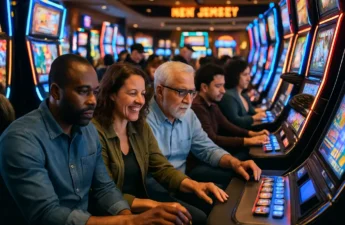

In Vegas, the house always wins, but only if it knows who to charm. Imagine Don Draper trading martinis for player cards. That’s how Strip resorts turned comp systems into psychological jackpots.
During the 2008 recession, Meczka’s research showed a shift. Free suites and steak dinners became tools to separate whales from minnows.
Think of it as Blackjack meets behavioral economics. Caesars Rewards and MGM’s M Life didn’t just track bets. They mapped personalities. High rollers got private jet invites, while weekend warriors scored buffet credits.
This isn’t generosity; it’s a $2B algorithm wearing a velvet rope.
Why does this matter? Your players club tier isn’t about luck. It’s a neon-lit mirror reflecting your spending habits. The recession taught casinos to swap luxury bait for value propositions.
“You’ll feel like a whale, even if you’re swimming in a kiddie pool.”
Modern comp programs are less about champagne towers and more about cold math. They’re why a retiree dropping $50 gets free parking, while the tech bro at the high-limit tables gets comped penthouse views.
The game? Make everyone feel like VIPs—while quietly sorting them into revenue brackets.
Introduction: Loyalty in Vegas Operations
Do you remember when Frank Sinatra’s martini tab was more important than your player card? The 2008 financial crisis changed everything. It made Vegas rethink its comp programs. Suddenly, high rollers were treating chips like coupons, and casinos realized their budgets were as shaky as a slot machine.
Before the crisis, 34% of visitors’ budgets went to gaming. But by 2009, that number plummeted to 22%, according to the LVCVA. Casinos were in a bind, trying to offer room comps that didn’t make sense anymore. Lucas & Bowen found that casinos were giving away empty suites while guests spent big on nightclub drinks.
This table shows the shift clearly:
| Metric | 2008 Strategy | Post-2009 Pivot | Revenue Impact |
|---|---|---|---|
| Primary Comp Focus | Free rooms & meals | Experiences (shows, spas) | +18% non-gaming spend |
| Player Tracking | Host intuition | RFID chip analytics | 27% better retention |
| Rewards Structure | Gaming points only | Multi-activity tier boosts | 41% cross-selling lift |
When Cirque du Soleil tickets became as coveted as 00 roulette bets, Vegas found its new gold. The math was simple: Why give a $200 room to someone spending $2,000 on pool cabanas and David Copperfield tickets?
Now, casinos use CRM systems to track everything from blackjack to mezcal. Hosts use data dashboards to offer personalized perks. It’s a new game, and the house is winning – but only if it knows the game you’re really playing.
Anatomy of Major Strip Loyalty Programs
What makes a “free buffet” tier different from a “private jet” tier? Let’s break down Las Vegas loyalty programs. Caesars Rewards, with 55 million members, is like Walmart’s Blue Light Special for casino clubs. Wynn’s exclusive tiers are like a speakeasy with fancy design.
The real magic is in tier structures. Baynes’ 2011 study showed Station Casinos focuses on locals with:
- 15-tier system for slot enthusiasts
- Double points during NFL Sundays
- Free car washes at Gold level
Boyd Gaming has a different strategy:
- Flat 1% cashback across all tiers
- Priority concert ticket access at Platinum
- “Mystery multiplier” slot bonuses
| Feature | Station Casinos | Boyd Gaming |
|---|---|---|
| Tier Levels | 15 | 5 |
| Local Focus | High (85% members) | Medium (60%) |
| Average Comp Value | $2.50/hour | $1.75/hour |
| VIP Junket Participation | Limited | High |
MGM’s “M Life” Gold members get perks that would impress James Bond. They get 30% off NetJets cards and personal shopper credits at Crystals. They also get guaranteed EDC festival tickets. Cosmopolitan’s Identity program is innovative, turning your $500 minibar tab into slot credits fast.
Junket operators play the system like a rigged roulette wheel. High rollers earn comps not just on their losses, but on their entourage’s spending too. It’s the ultimate “house always wins” scenario – even when you’re not playing.
Segmentation Strategies
Vegas casinos treat loyalty programs like Tinder for wallets – swiping right on big spenders while ghosting casual players. This ruthless categorization creates a four-tiered pyramid where your bankroll determines your romance with the house. Let’s pull back the velvet curtain on how properties turn “I’ll just play $20” tourists into “comped penthouse suite” regulars.
The Currency of Clout: Tiered Reward Systems
Casino tiers function like Hogwarts houses with better cocktails. Wohl’s 2016 research reveals a startling pattern: players accelerate spending by 22% when nearing tier thresholds. The hierarchy breaks down like this:
- Bronze: Penny slot dabblers (Avg. loss: $38/night)
- Silver: Weekend warriors ($220/night)
- Gold: Convention crowd whales ($1,450/night)
- Diamond: International high rollers ($50k+ weekends)
Domestic vs international spending gets spicy. Diamond-tier whales account for 68% of gaming revenue. International players drop 38% of non-gaming spend on Michelin-star meals and Botoxed blackjack dealers. MGM Resorts employs more Mandarin-speaking hosts than UNLV has business majors.
Behavioral Alchemy: Turning Tourists Into ATMs
Modern casinos use machine learning algorithms that make Netflix’s recommendation engine look like a Magic 8-Ball. These systems track:
| Behavior | Domestic Players | International Players |
|---|---|---|
| Peak Spending Time | Friday 8PM | Tuesday 3AM |
| Preferred Vice | Sports betting | Baccarat |
| Comp Sensitivity | Free drinks | Private jet transfers |
The real magic happens when algorithms detect the moment a Midwestern grandma morphs into a slots sorceress. Maybe it’s her third yard-long margarita. Perhaps it’s the hypnotic jingle of a Buffalo Gold machine. Suddenly, her player card unlocks “mystery bonuses” faster than you can say “compulsive behavior.”
This gaming revenue segment breakdown explains Las Vegas’ obsession with data – properties now predict gambling benders more accurately than meteorologists forecast monsoon season. The next frontier? Using facial recognition to adjust slot odds based on players’ pupil dilation. But that’s a story for our tech section…
Revenue Impact: Data and Case Studies
What happens when Vegas meets spreadsheets? The answer is in the numbers, and they’re exciting. Let’s dive into three key findings that will make you think of Wolf of Wall Street.

The Venetian’s 2019 SEC filings revealed a shocking truth: 29% of visitors, or loyalty members, made up 73% of gaming revenue. It’s like Taylor Swift making 90% of Eras Tour profits while her opening acts get the rest. Meczka’s analysis shows that targeting the right customers can boost revenue by 17%.
MGM’s strategy is a prime example. Their “Wallet Allocation Rule” increased lifetime value by 44%. They use:
- Dynamic comp algorithms that adjust in real-time
- Exclusive concert access for black card members
- Personalized loss rebates (the casino version of “we’re sorry flowers”)
But there’s a dark side. Wynn’s 2020 audit found 12% of high-tier members showed signs of problem gambling. Casinos are effectively running rehab centers with blackjack tables. This hidden economy is rarely seen in the “free” suites.
So, what’s the strategy now? Forecasting models balance ethics with profits. Caesars’ latest las vegas market segment analysis includes:
| Metric | High-Value Player | At-Risk Player |
|---|---|---|
| Monthly Spend | $18k+ | $22k+ |
| Visit Frequency | 6x/year | 18x/year |
| Therapy Referrals | 0.2% | 9.1% |
The house always wins, but at what cost? A surveillance manager once said: “We track everything except our conscience.” Stay tuned for more on how casinos upgrade players without seeming like used car salesmen.
Migration Between Segments: Upgrading the “Player”
Casinos see player migration like dating apps see relationships. They focus on high rollers and ignore those who just want free stuff. Turning a casual player into a high-stakes gambler is all about customer lifetime value. It’s like giving away free crab legs to keep them coming back.
Caesars uses an algorithm called “Next Tier” to send out rewards at the right time. They send offers on paydays and birthdays, just like a blackjack dealer counts cards. It’s all about making players feel like they’re getting a good deal.
Why do tier upgrades feel like a game of chess? Resorts World spends $8M a year to keep players from leaving. They use special offers to make switching tiers seem like a bad idea. A 2011 study showed that most upgrades happen when players are on a losing streak. It’s like they think, “I’ve lost this much, I might as well keep going.”
Here are three sneaky ways casinos get players to move up:
- Progress Bar Psychology: Showing 90% completion toward next tier triggers FOMO
- Loss Leader Liquor: Comped cocktails lower inhibitions, raise betting limits
- Faux Exclusivity: “Diamond Members Only” events that are really just crowded pool parties
The real goal is to keep players playing. Players often gamble three times longer when they’re close to a goal. It’s not about loyalty, but about the thrill of almost winning. Casinos don’t just upgrade players; they upgrade their own profits, one bet at a time.
Digital Innovations and CRM Systems
The new casino hosts aren’t just smiling faces; they’re AI algorithms predicting your next bet before you do. Wohl’s 2016 study on behavioral tracking seems old compared to today’s advanced systems. The Venetian’s “Loyalty Cortex” tracks Uber dropoff patterns to guess your gaming budget before you even arrive.
International players get WeChat offers while they’re in customs lines. Their yuan-to-chip conversion rates are already figured out.

RFID chips in loyalty cards do more than track drink orders. They adjust slot machine volatility based on your bankroll. If you’re spending too fast, machines get tighter until your next payday. This keeps you playing without worrying about money – Vegas’ way of balancing fun and finance.
The difference in gaming spend between domestic and international visitors drives these innovations. Casinos adjust their CRM strategies to meet these needs:
| Technology | Domestic Application | International Application | Retention Impact |
|---|---|---|---|
| AI Spending Predictors | Linked to credit scores | Tied to customs declarations | +22% repeat visits |
| Payment Integration | Venmo cashout offers | WeChat/Alipay bonuses | +18% session length |
| Cultural Analytics | NFL parlay promotions | Chinese New Year packages | +35% premium play |
Resorts World uses facial recognition to detect when you’re getting frustrated. If you lose at blackjack, a waitress will offer you a drink. It’s like Minority Report, preventing you from leaving early.
But here’s the catch: players want to be profiled. They’re okay with sharing biometric data for better blackjack experiences. As casino CRM gets smarter, the real question is: What game are we really playing?
Forward-Looking Loyalty Strategies
What happens when comp points start collecting dust like forgotten poker chips? The Strip’s loyalty programs are reinventing themselves, just like Madonna does every decade. Caesars has introduced NFT backstage passes, while MGM is exploring blockchain tokens. This isn’t your grandfather’s “free buffet” economy anymore.
Macau’s 2023 cashless mandate shows a clear path forward. Their 19% revenue jump after this change has Wall Street excited about las vegas strip forward looking revenue forecasts. But, 42% of Gen Z high rollers don’t care about players cards anymore. They’re showing crypto wallets at cage windows, while casinos try to mix old systems with new tech.
Three new models could change casino revenue by market segment:
- Tokenized Tier Systems: Imagine trading loyalty points for concert tickets or Tesla test drives mid-blackjack hand
- Gamified Subscriptions: Monthly memberships with tiered perks – think Amazon Prime meets high-stakes baccarat
- Responsible Gambling Integrations: Wohl’s 2016 blueprint reborn as smart contracts automating spending limits
The real jackpot? Subscription models could turn casual visitors into regular customers. Picture MGM’s “Empire Pass” for $299/month, giving room upgrades and sportsbook access. But will whales feel special when everyone gets the same treatment?
As loyalty programs grow from transactional perks to lifestyle ecosystems, one thing is clear: The house always wins. And it wins big when it bets on your data.
Conclusion: Maximizing Player Value
Las Vegas casino loyalty programs have turned blackjack into a science. The Strip’s comp wars are like a high-stakes poker game. But, as researcher Mark Meczka said in 2010, casinos might lose if rewards feel like transactional coupons. It’s better to focus on keeping players coming back than just chasing big wins.
Wynn uses AI to tailor room preferences, and Caesars upgrades tiers based on player behavior. These efforts make high rollers feel special, like Taylor Swift at her concerts. MGM’s mobile offers during events show how casinos use behavioral economics to engage players.
But casinos must balance making money with treating players right. As players get smarter, casinos need to build real relationships, not just track transactions. The future of casino loyalty might include blockchain for drinks or VR poker tournaments. But success comes from making loyalty feel like friendship, not just a business deal.
The house wins when players feel like VIPs, not just numbers. As Vegas moves into the AI era, one thing is clear: everyone loves a good comp. But nobody wants to feel like a calculation.