
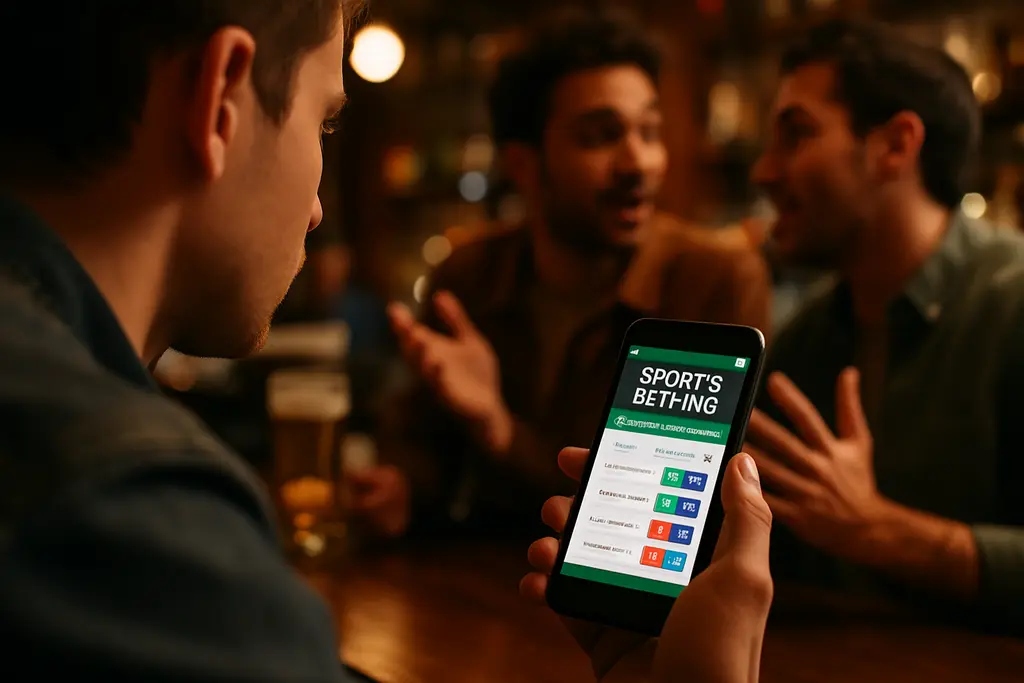
Virginia Bonus Rules have moved sportsbook promotions toward clearer disclosure, especially around bonus timing, limits, and the point at which a bettor must see the full terms. For competitive intelligence teams, the practical issue is not only legal compliance. It is how offer design, ad copy, onboarding screens, and account dashboards now have to work together so a consumer can understand the promotion before giving anything of value.
Virginia Bonus Rules And Ad Clarity
The core standard sits in 11VAC5-80-140, which requires all material terms and limitations of a sports-betting promotion to be fully and accurately disclosed when the offer is advertised and again before a bettor gives anything of value in exchange for the offer. If the ad format cannot carry those terms, the regulation allows direct access through a hyperlink or another direct means, according to Virginia’s rule on promotional offers.
Virginia Bonus Rules In The Offer Flow
That requirement changes the offer flow. A short ad cannot rely on a headline that looks simple while pushing key limits into a hard-to-find page. The rule points operators toward a cleaner sequence: show the headline, identify the material limits, provide direct access to complete terms, then repeat those terms before the user parts with money, data, or wagering value tied to the offer.
The same section says a promotional offer provided to a new account holder may not delay full implementation of the offer for more than 90 days, regardless of wagering or account activity. That matters because long, slow-release promotions can be difficult for new users to track. A 90-day ceiling makes the customer experience more measurable and gives compliance teams a defined timeline to audit.
What Counts As Material Terms
The research record supports several categories that should be treated as high-risk if they are unclear: eligibility, expiration, account status requirements, wagering conditions, limits on use, and timing of implementation. A bettor should not have to infer whether a promotion is limited to new users, whether a qualifying wager must settle first, or whether unused promotional value can expire. The stricter reading is simple: if a condition can affect whether the consumer receives or uses the offer, it belongs near the offer, not buried behind vague language.
The rules became part of the Sports Betting Consumer Protection Program, a Virginia Lottery Board regulatory chapter that became final and effective on October 22, 2025, as shown in the state register’s final regulation filing. That date matters for operators reviewing campaign archives, because promotional templates built before October 22, 2025 may need a stricter review than teams gave them at launch.
Competitive Effects For Sportsbook Platforms
The competitive effect is subtle but real. Promotions still matter in acquisition and retention, but operators have less room to compete through ambiguity. A platform that can state its terms plainly, repeat them at the right moment, and store proof of what was shown to the user gains an operational advantage over one that treats compliance as a late-stage legal edit.
Compliance Becomes Product Design
Virginia Bonus Rules also push compliance into product design. The sportsbook app has to carry disclosures in places where users make decisions: registration, deposit, opt-in, bet slip, bonus wallet, and account history. If the bonus wallet shows promotional value without the related conditions, a user may misunderstand whether the value is withdrawable, playable, expired, or subject to a remaining condition.
This is where user experience and regulation meet. Clear labels reduce customer-service friction. Time stamps, offer IDs, and archived terms help operators resolve disputes. Direct links from the offer card to the complete terms reduce the risk that a consumer saw one message in an ad and a different message after signing in. A related Vegas Revenue analysis of Virginia betting transparency looked at how these duties can reshape operator behavior beyond the legal department.
Promotion Economics Face More Scrutiny
From a competitive intelligence view, the rule set may favor operators that already measure promotional profitability at a granular level. If an offer must be clearer, weaker promotions may convert at lower rates because fewer users misunderstand the conditions. That is a healthy consumer outcome, but it can expose campaigns that depended on headline appeal rather than practical value.
For finance teams, the research record also notes that Virginia treats free bets, bonus offers, and promotional wagering expenses as non-deductible from taxable revenue after an operator’s first full year. Without relying on unverifiable promotional claims, the implication is straightforward: unclear or inefficient bonuses can carry both compliance risk and margin pressure. This does not mean operators should stop using promotions. It means promotion governance has to be tied to cost, user comprehension, and documented acceptance.
Consumer Experience And Trust Signals

For users, the better experience is not the biggest headline. It is the offer that explains what has to happen, by when, and under what limits. A bettor comparing platforms should be able to find the same core facts in the ad, the terms page, and the app interface. If those facts are inconsistent, trust falls quickly.
Where App Usability Matters
Sportsbook apps should make the bonus state visible without forcing users through multiple menus. A clear bonus screen can show whether the offer is active, pending, expired, completed, or unavailable. It can also show the date the user opted in and the deadline for any required action. These are not luxury features. Under a disclosure-heavy regime, they become practical safeguards against misunderstanding.
There is also a useful comparison with casino-style digital products, where users often judge trust through rules clarity, session controls, and visible game information. Readers comparing promotion mechanics with non-sportsbook gaming interfaces can use poker video game reviews as a related reference point within the same network, though Virginia’s sports-betting rules should not be applied to unrelated products without checking the governing law.
Risks For Poorly Framed Offers
Poorly framed offers create several risks. A headline may imply simplicity while the terms restrict who qualifies. A bonus balance may look available while a condition remains incomplete. A social ad may omit limits because of space, yet fail to provide a direct path to the full terms. Each issue can create user frustration before it becomes a regulatory problem.
The cautious operator response is to reduce friction and reduce surprise. A good test is whether a reasonable user could explain the promotion after seeing the ad and the pre-acceptance screen. If not, the campaign may be legally vulnerable and commercially weak. Virginia Bonus Rules reward plain presentation: fewer claims, clearer conditions, and less distance between marketing language and product reality.
- Offer headline: should not overstate the value or hide eligibility limits.
- Terms access: should be direct from the ad or the offer screen when full text cannot fit.
- Timing: should show deadlines and, for new account offers, respect the 90-day implementation limit.
- Account display: should explain whether promotional value is pending, active, expired, or completed.
Virginia Bonus Promotion Transparency Impact
The practical impact is a shift from promotion volume to promotion clarity. Operators can still compete, but the safer advantage is an offer system that is easy to audit and easy for the user to understand. Virginia Bonus Rules make vague creative copy less useful and increase the value of well-structured terms, disciplined approval workflows, and product screens that match the advertising message.
What Operators Should Monitor
Operators should track complaint patterns, abandoned registrations after bonus screens, customer-service contacts about offer status, and disputes over expiration or eligibility. Those signals show whether users understand the promotion in practice, not just whether the legal text exists somewhere on the site. Competitive intelligence teams should also watch whether rivals simplify their offers, shorten their terms, or redesign app bonus wallets after October 22, 2025.
For consumers, the best signal is consistency. The offer should say the same thing across the ad, landing page, opt-in screen, and account view. If any part of the promotion depends on hidden timing, unclear eligibility, or hard-to-find limits, the user experience is weak. In Virginia’s regulated market, that weakness is no longer just a branding issue. It is a compliance exposure and a measurable competitive disadvantage.