
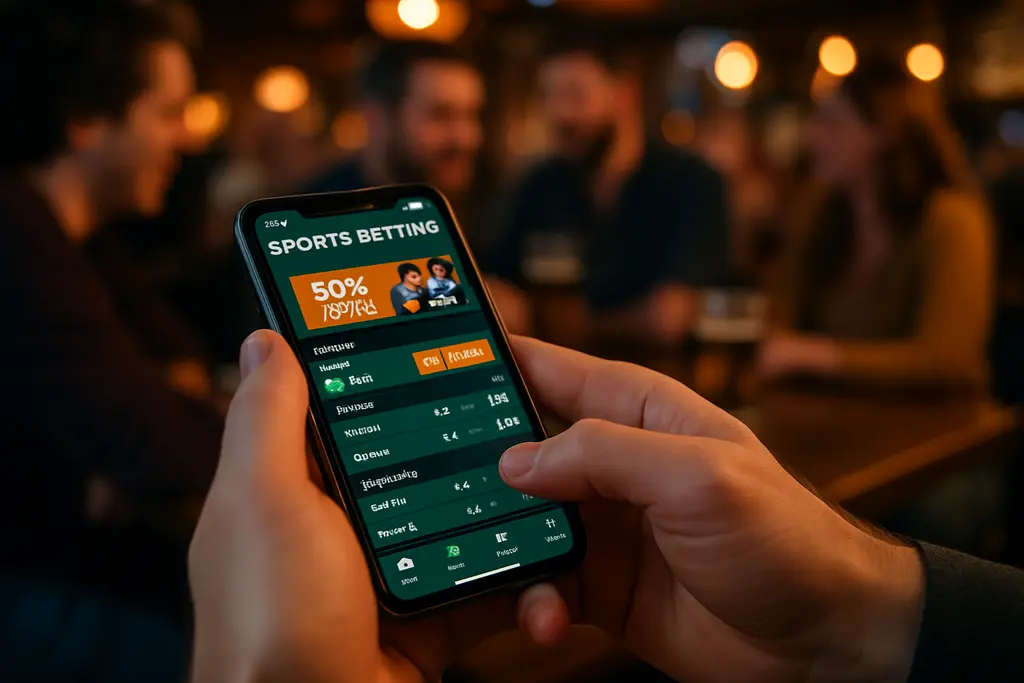
Virginia Bonus Rules have moved the state’s sports betting market toward a more disclosure-led model: fewer headline-only promotions, more upfront terms, and closer attention to how offers affect both users and tax revenue. As of September 14, 2026, the key point for bettors is practical rather than promotional. A bonus offer should not require guesswork about eligibility, timing, restrictions, or the value a bettor must provide before seeing the full terms.
For operators, the shift is economic as well as regulatory. Promotional spending can still be part of customer acquisition and retention, but Virginia has placed clearer limits around how those offers are presented and, after an operator’s first full year, how certain promotional costs are treated for adjusted gross revenue tax purposes. That changes the user experience inside apps: clearer disclosures, fewer ambiguous sign-up prompts, and a stronger need for offer tracking that a bettor can understand.
What Virginia Bonus Rules Require
Virginia Bonus Rules And Upfront Terms
Virginia Administrative Code 11VAC5-80-140 states that a permit holder offering sports betting promotional bonuses must provide full and accurate material terms when advertising the offer and before a bettor gives anything of value. If the advertising format cannot fit the full terms, the rule requires a prominent hyperlink to the complete terms, according to Virginia’s promotional offers rule.
The practical effect of Virginia Bonus Rules is that the most important conditions should not sit behind unclear wording. A bettor should be able to identify what counts as an eligible wager, whether the offer is limited to new accounts, whether there is an expiration date, and what conditions apply before any promotional value can be used or withdrawn. This does not make promotions risk-free. It makes them easier to assess before a user commits money, time, or personal information.
The 90-Day Implementation Limit
The same administrative rule also says that a promotional offer to a new-user account may not delay full implementation of the offer for more than 90 days, regardless of the number or amount of wagers placed during that time. That provision matters because delayed or staged offers can be difficult for users to track, especially on mobile screens where account history, bonus wallets, and wagering records may be separated into different menus.
From a platform design perspective, the 90-day limit encourages more disciplined bonus systems. If an app promotes a bonus, it should show the status of that offer in plain account language: activated, pending, expired, completed, or unavailable. If users must contact support to understand whether an offer was applied, the experience is already weaker than the rule’s transparency purpose suggests.
How Tax Treatment Changes Promotion Design
From Acquisition Cost To Tax Base
Virginia’s budget language beginning July 1, 2022 restricted sports betting operators, after their first full year of operations, from deducting free bets, promotions, and bonus offers from adjusted gross revenue for tax purposes. The state finance materials report that sports betting operators handled nearly $7.3 billion in wagers in Fiscal Year 2025 and paid $103.4 million in taxes at a 15% tax rate on adjusted gross revenue, with Fiscal Year 2026 sports betting tax projections at $115.0 million, including $112.1 million to the General Fund and $2.9 million to the Problem Gambling Treatment and Support Fund, in the state finance report.
| Virginia Measure | Supported Detail | User-Experience Effect |
|---|---|---|
| Material terms disclosure | Full and accurate terms before value is given | Clearer offer pages and fewer surprise restrictions |
| New-user implementation timing | No delay beyond 90 days | More visible bonus status and expiration tracking |
| Promotion deduction limit | Restrictions after first full year of operations | More selective bonus design and tighter cost controls |
Revenue Signals From Fiscal 2025
The Fiscal Year 2025 figures show why promotion rules are not a side issue. When a market handles billions in wagers, promotional accounting affects both operator strategy and public revenue. If free bets and bonuses are harder to deduct after the first full year, operators have a financial reason to reduce vague mass offers and focus on promotions that are measurable, compliant, and less likely to trigger consumer complaints.
That can be positive for users if it reduces confusing bonus clutter. It can be negative if operators replace broad offers with more aggressive personalization that pressures frequent bettors. This is where consumer protection and revenue policy meet: the best app experience is not the one with the largest advertised bonus, but the one that lets a user understand cost, restrictions, and account impact before making a decision. Similar pressure on onboarding and incentive controls has appeared in wider U.S. iGaming discussions about bonus abuse controls.
Platform Experience And Player Protection

Advertising Clarity On Mobile Screens
Sports betting advertising is often compressed into app banners, push notifications, short-form media, and affiliate placements. Virginia’s approach makes that compression less of an excuse. If full terms cannot fit in the ad format, the path to the terms must be prominent. For a bettor, that should mean visible links near the call-to-action, not hidden terms that appear only after registration or deposit.
The 2026 statutory updates identified in the research also point to broader advertising duties: promotions should identify the permit holder, avoid misleading content to a reasonable person, avoid targeting people under 21, and include information or links related to gambling addiction resources. Those requirements matter because bonus offers are not neutral interface elements. They can shape how quickly a user deposits, whether they understand restrictions, and whether they know where to find support.
Friction That Can Protect Users
Not all friction is bad. A short pause that shows terms before a deposit can protect users from misunderstanding an offer. A clear display of available balance versus promotional balance can reduce disputes. A visible link to the Virginia Sports Bettors’ Bill of Rights can help users understand complaint and procedural protections. Research notes also state that Virginia requires geofencing for online bets placed in the state and reasonable measures to prohibit credit card funding under the 2026 amendments.
- Bonus pages should identify eligibility, expiration, eligible wagers, and withdrawal conditions in plain language.
- Account screens should separate cash balance from promotional balance.
- Offer history should show whether a promotion is pending, active, completed, or expired.
- Responsible gambling links should appear near account, deposit, and promotion areas, not only in a footer.
For further insights, readers interested in mobile gaming platform design can explore a related iOS casino app resource, which provides a detailed look at how offer visibility and mobile layout can impact user trust across various gaming products. The legal availability and product rules still depend on jurisdiction, so users should rely on official state and operator materials before creating an account.
Virginia Bonus Rules In Practice
What Operators Should Test
Operators should treat compliance as a user-interface requirement, not only a legal review task. That means testing whether a first-time user can find full terms before depositing, whether the app records acceptance of terms, and whether support agents can explain a promotion using the same wording shown in the app. If marketing, product, and compliance teams use different language, bettors will notice the gap first.
Promotion design should also be reviewed against tax incentives. If a bonus cannot be deducted after the first full year, it needs a clearer business purpose. That could mean fewer broad offers and more account-specific retention tools, but those tools still need fair presentation. A promotion that is technically disclosed but practically confusing may meet a narrow checklist while failing the trust test.
What Bettors Should Check
Bettors in Virginia should read the full terms before giving anything of value. The highest-value detail is often not the advertised number. It is the restriction attached to the offer: timing, eligibility, qualifying wager types, cancellation terms, and whether promotional funds are treated differently from cash. If those details are hard to find, that is a user-experience warning sign.
Virginia Bonus Rules do not make sports betting safer by themselves, and they do not change the risk of losing money on a wager. Their value is narrower but meaningful: they make it harder for promotional offers to rely on missing terms, delayed fulfillment, or unclear presentation. In a taxed and regulated market, that transparency is not just a consumer courtesy. It is part of how Virginia links platform conduct, public revenue, and responsible betting safeguards.