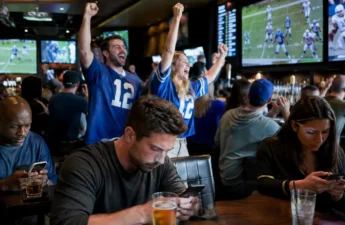

Let’s explore the often-overlooked star of gaming floor success: the arrival curve. It’s a jagged line that looks like a lie detector test for a caffeine-fueled stockbroker. Airline schedules might not care about your quarterly profits, but they do affect when people arrive.
Thursday night is like the soft start, the teaser trailer. I’ve seen the red-eye from JFK land, and it brings a wave of people looking for a nightcap or a slot machine. These patterns are not just data; they mix anthropology with spreadsheets.
Getting these arrival curves is key. They help shape daypart strategies. If you don’t match your staff and prices with the Delta schedule, you’re wasting money. Let’s see how these patterns can change how you manage the gaming floor.
Daypart mix morning slots afternoon pools primetime games late night tables
The daypart mix brings a lively rhythm to gaming, with each part having its own appeal. Morning slots welcome the early risers and those who can’t sleep. They offer a steady flow of income, like a reliable car.
As the day gets brighter, we move into the afternoon pools. This time is filled with fun and socializing, not just gaming. It’s where the real excitement happens and the chance for making money is high.
Primetime is the peak, with games on and tables full. It’s the busiest and most profitable time. Missing out on this means leaving money behind.
The late-night tables are the gaming world’s after-party. Even though the stakes are lower, the action can be intense. It’s a mix of last chances and excitement. Knowing how to use each part of the day is key. Treating a quiet morning like a busy night can be costly.
| Time Slot | Characteristics | Revenue Potentail | Player Demographics |
|---|---|---|---|
| Morning Slots | Steady, reliable | Moderate | Retirees, insomniacs |
| Afternoon Pools | Social, lively | High | Young adults, socializers |
| Primetime Games | High energy, crowded | Very High | All demographics |
| Late Night Tables | Chaotic, fun | Variable | Night owls, party-goers |
To dive deeper into dayparting and its impact on strategy, keep exploring this interesting topic.
Weekpart economics Thu launch Fri peak Sat saturation Sun split Mon cashout
Welcome to the exciting world of weekpart economics. Each day has its own part in the casino story. Your wallet is the main character, and the story is full of twists.
Thursday starts the show with a launch. Early birds and smart locals come to the casinos. They know the weekend won’t be as calm yet. It’s a time for a relaxed vibe, where every slot machine seems to invite you.
Friday is the peak of excitement. Money flows freely, and the games are high-stakes. Players make big decisions, maybe too big after saving all week. The casino floor buzzes with coins clinking and laughter.
Saturday brings saturation. It’s not just casinos; there are pool parties, nightclubs, and more. The competition is tough, and players must choose wisely amidst the distractions.
Sunday is a split day. In the morning, people recover from Saturday night. By afternoon, it’s NFL fans versus those trying to win back Friday night losses. This day shows the weekday vs weekend gaming contrast.
Monday is the cashout. It’s the sobering end, where the cage line reveals the weekend’s true story. Players sum up their wins and losses, reflecting on their weekend choices.
Understanding weekpart economics is key for casinos to improve. It’s not just weekdays versus weekends; it’s a spectrum. Each part offers insights into how players behave. For more on seat supply models, check out this link.

Pricing levers table mins EGM denoms happy hour promos late check fees
Pricing is more than just a number; it’s a dance with customer psychology. The right price can make a big difference in the gaming experience. Let’s explore the main pricing levers that can turn a slow afternoon into a money maker.
- Table Minimums: These should change like a yoga instructor during busy times and relax like a couch potato on a Tuesday. Adjusting table minimums based on the time of day can really boost player interest.
- EGM Denominations: These hidden helpers work quietly. A penny slot turning into a dollar game at 10 PM on a Friday can change your earnings.
- Happy Hour Promos: This is a classic trick. Cheap drinks attract customers, and the house edge makes sure you profit while keeping things fun.
- Late Check Fees: This is the last, beautiful push—a fee for staying late. It’s a small price for those who want to keep playing.
When these levers are used together with daypart weekday segmentation, they create a powerful mix. Knowing when your customers are most active helps you set better prices. It’s not just about the price; it’s about making your customers want to spend more.
Labor and security rosters against surges and HL sight lines
In casinos, scheduling staff is like playing chess. Every move is critical, like when anticipating more players. If you’re not ready, a manager might have nothing to do while a dealer is overwhelmed.
To succeed, understand your casino’s rhythm. Busy times need more staff, while slow times might have too many. Knowing patterns helps staff levels match the action on the floor. This way, you’re ready for when the action picks up.
Security is also key. High-limit areas need careful watching without making players feel exposed. It’s a delicate balance between keeping an eye on everything and respecting players’ privacy.
Creating good rosters means being flexible. Hire staff who can adjust to the casino’s changing needs. Use data to predict busy times and plan your staff levels. This keeps your casino running smoothly, without too many or too few people.
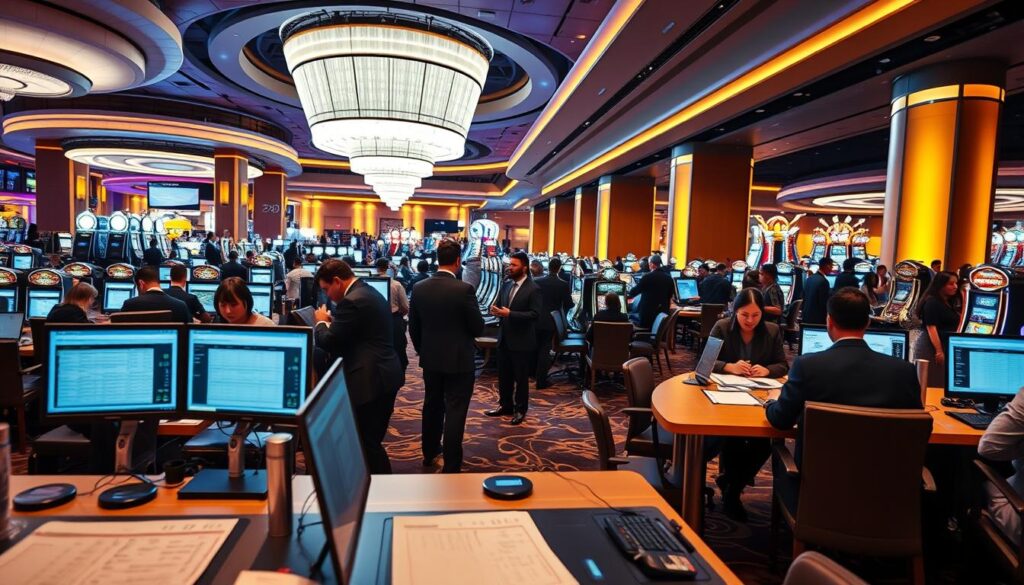
Cross sell morning coffee slot offers vs red eye arrivals
Imagine a quiet morning where coffee and chance meet, turning tired travelers into excited players. When a plane lands at 6 AM, a hundred people walk into the lobby, feeling out of sync. Here, cross-selling shines by combining a warm cup of coffee with a slot machine. This mix is a gentle start to the gaming day.
The morning coffee slot offer is a smart move, blending caffeine with chance. It’s a soft way to start, feeling more like a service than a sales pitch. Guests love the warm drink as they shake off their morning fog. It’s a chance to relax and enjoy, making them ready for a great gaming time.
On the other hand, red-eye arrivals come in feeling disoriented and maybe a bit buzzed from the flight. This is your chance for a bold move, like tempting them with table games promos. They’re ready to go, and you should grab that energy.
Adjusting cross-sells to match each arrival’s mood is not just smart; it’s a lesson in daypart weekday segmentation. Knowing your guests well lets you offer what they need right away. For instance:
- Morning Arrivals: Coffee and quiet slots.
- Red-Eye Arrivals: Aggressive table game promotions.
- Midday Visitors: Lunch specials and low-stakes games.
By studying these patterns, casinos can connect with guests as soon as they arrive. For more tips on how to do this, read this article on customer segmentation strategies.
Regression revenue per hour on game starts TV inventory bar capacity
Skipping regression analysis is like playing poker blind. Without looking at your cards, you’re just hoping for luck. The mix of game start times, TV inventory, and bar capacity is complex. Yet, it’s this complexity that makes the pros stand out.
Imagine a big game on many screens boosting your revenue like a meme stock. But, having enough bar seats is key. So, does adding an hour of bar capacity during a UFC prelim card earn more than another blackjack table? It really depends on the daypart.
Daypart weekday segmentation is key here. By breaking down these segments, we can turn guesses into solid data for the boardroom. This data shows trends that can greatly affect your profits.
| Daypart | Game Start Time | TV Inventory | Bar Capacity | Revenue Impact |
|---|---|---|---|---|
| Morning | 10 AM | 3 Screens | 50 Seats | $1,000 |
| Afternoon | 2 PM | 5 Screens | 100 Seats | $2,500 |
| Primetime | 8 PM | 10 Screens | 150 Seats | $5,000 |
| Late Night | 11 PM | 4 Screens | 75 Seats | $1,500 |
By closely looking at these elements, you can find the best times for more revenue. Knowing the details of each daypart helps you make smart choices. These choices can lead to more profits.
Case chart Super Bowl weekend hour by hour win profile
Welcome to the ultimate revenue rollercoaster: the hour-by-hour win profile of Super Bowl weekend. This event is not just about touchdowns and halftime shows; it’s a financial spectacle that unfolds in real-time. Let’s break down the chaos, shall we?
Saturday night kicks off with a frenzy. Picture it: high rollers pouring in, eager to place bets and enjoy the pre-game party atmosphere. The energy is palpable, and the cash registers are ringing. This is the sweet spot where daypart weekday segmentation shines, allowing us to maximize profits before the main event.
As Sunday morning rolls around, the vibe shifts. The churchgoers and brunch crowds are the calm before the storm. It’s a time for reflection—or perhaps a last-minute bet on the game. This period is critical for strategizing how to attract different demographics, ensuring we cater to both the early risers and the late-night revelers.
Then, the game begins. The sportsbook becomes the epicenter of excitement. Fans are glued to screens, and the slot floor breathes a sigh of relief as attention shifts. Here, we see a remarkable surge in betting activity. It’s a moment where every second counts, and our revenue charts reflect the thrill of the game.
Halftime is a different beast altogether. In just 30 minutes, we experience a micro-surge of food and beverage sales alongside prop bets. It’s a time when casual fans engage, and the betting frenzy reaches a new height. This is where our meticulous planning pays off, as we capture both the die-hard fans and the curious newcomers.
Post-game, we encounter a mixed bag of emotions. Euphoria for the winners and despair for the losers create a unique opportunity. This is prime time for table games, where we can turn the tides for those feeling lucky or looking to recover losses. By analyzing the hour-by-hour win profile, we can fine-tune our approach to meet the demands of every patron.
In summary, the Super Bowl weekend isn’t just a singular event; it’s a multi-day revenue avalanche waiting to happen. By leveraging a granular daypart weekday segmentation strategy, we can transform this one-off occasion into a lasting financial success. Now, who’s ready for the next big game?
Ops checklist signage cordons payment station adds by hour
Running operations without a checklist is like a chef without a recipe. It leads to chaos and confusion. In casinos, an operational checklist is key to a smooth experience. Every detail, from arrival to cash-out, is important.
Signage is vital and changes throughout the day. In the morning, it might say, “Relax, you’re on vacation,” inviting guests to relax. As night falls, it changes to “Last chance to be a hero,” encouraging final bets. This change sets the mood and guides behavior.
Cordons act like silent traffic cops, guiding guests from the hotel to high-margin areas. They ensure a smooth flow, improving the guest experience and boosting revenue. It’s all about a seamless casino floor journey.
Payment stations are also key. No one likes waiting to access their money, which can happen when they want to gamble. Adding payment stations by hour means guests can quickly get back to fun. This fits perfectly with daypart weekday segmentation, adapting to guest flow.
In short, a good ops checklist streamlines operations and improves the guest experience. By focusing on signage, cordons, and payment stations, you create a smooth, enjoyable, and profitable environment.
Postmortem template feeding next event staffing plan
The event is over, and the confetti has been swept away. Now, it’s time to look back. A postmortem template is key for checking how things went. It’s not about blaming anyone. It’s about learning and getting better for the next time.
Did Thursday night arrivals change because of a late flight? Did Saturday’s crowd arrive sooner than we thought? These details are important. They help us plan better for the next event and improve how we use our time.
Having a way to track these changes can really help. By looking at how we schedule staff, set prices, and when we offer extras, we can turn problems into chances. Every event should help us get better, making our planning more flexible and effective.
Let’s use what we’ve learned. If we don’t review the past, we might make the same mistakes again. Each postmortem is a guide, leading us to better results. With each event, we get closer to a more precise and successful plan.