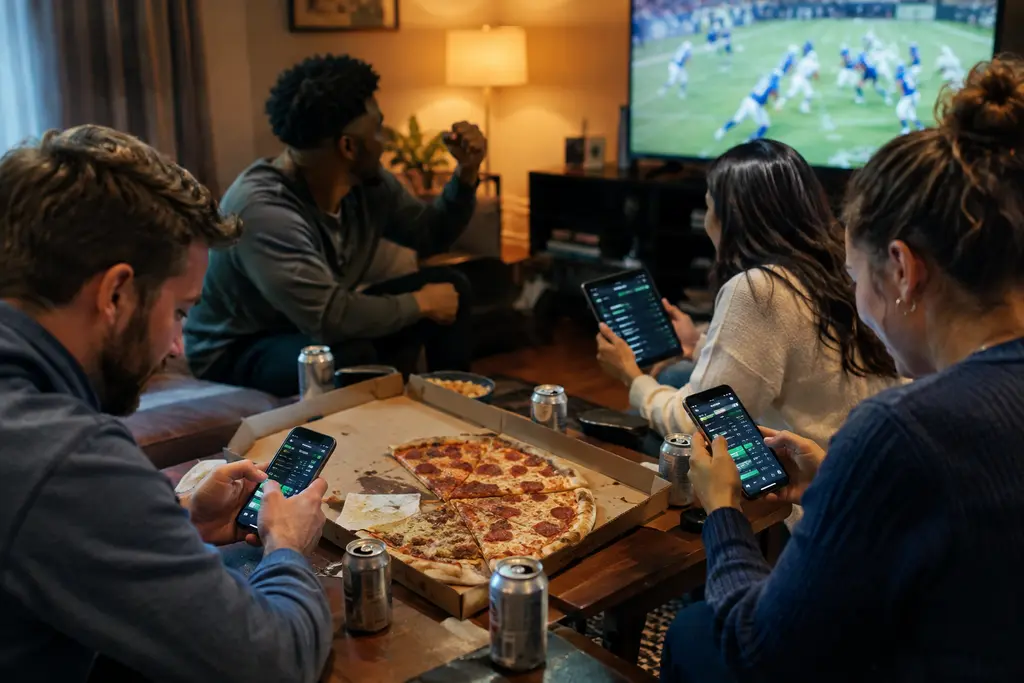
DraftKings Regulation in Louisiana and Ohio shows how sportsbook oversight has moved from licensing paperwork into the app experience itself. Product buttons, account funding paths, geolocation checks, bonus copy, and push-message logic are no longer just design choices. They can become compliance issues when they affect wagering eligibility, payment approval, or responsible gambling protections.
DraftKings Regulation And App Usability
Sportsbook users usually judge an app by speed, clarity, available markets, and whether deposits or withdrawals work without confusion. Regulators judge many of the same surfaces through a different lens: whether the system prevents illegal bets, blocks unapproved payment routes, displays required information, and gives customers practical tools to slow or stop play.
Why Interface Choices Are Compliance Choices
The Ohio record is a clear example. On November 20, 2024, DraftKings was fined $425,000 by the Ohio Casino Control Commission for offering prohibited prop bets on individual college athletes in March 2024 and for allowing deposit-enabled sports gaming accounts to be funded through an unapproved method. Those are not abstract back-office issues. A banned market can appear as a selectable betting option. An unapproved funding path can appear as a payment choice. In each case, the user interface is the point where a control either works or fails.
Ohio also collected more than $1.3 million in operator fines in 2023, its first year of legal sports gambling, for advertising and promotional violations that included missing responsible gambling messaging and improper use of promotional language. That history gives product and marketing teams a practical warning: an app screen, an email, and a home-page offer need the same compliance review as a formal advertisement.
DraftKings Regulation In The Product Queue
Ohio’s software change-management rule, effective August 15, 2022, requires sportsbook operators to maintain policies for tracking, testing, classifying, installing, and rolling back sports gaming system software changes, including high-impact changes involving wagering logic, geolocation, or data handling under Ohio Rule 3775-16-02. For DraftKings Regulation, that means a product release is not just a sprint milestone. It is a controlled event that may need documentation, testing evidence, and a rollback plan.
That matters for app usability because many customer-facing fixes also touch regulated functions. A cleaner bet slip may alter how markets are presented. A faster registration flow may affect identity checks. A payment-screen redesign may affect how funding methods are routed. The best experience is not always the shortest flow; it is the clearest lawful flow.
Ohio Enforcement Lessons For Product Teams
Ohio has been one of the sharper examples of how early market enforcement can shape operator behavior. DraftKings has continued to hold Ohio approvals, including a fantasy-contest operator license renewal reviewed on January 21, 2026, for up to three years subject to continued compliance. That point is easy to overlook. Enforcement does not necessarily mean market exit. It does mean the cost of weak controls rises.
Licensing Is A Continuing Obligation
The Ohio Casino Control Commission describes the sports gaming licensing process through its official sports gaming licensing overview. For app operators, the practical reading is that licensing is not a one-time event. Ongoing suitability, technical compliance, and operational behavior can all affect how regulators view the platform.
DraftKings and other operators also have to treat promotional wording as a controlled product area. Ohio standards restrict using words such as “free” or “risk-free” when the customer must put their own money at stake, and disclaimers do not cure that problem under the research record. The user-facing impact is direct: offer tiles, push notifications, inbox messages, and onboarding screens need to avoid headline claims that create a false impression of no customer exposure.
Marketing Controls Are Becoming More Personal
As of October 16, 2026, the Ohio Casino Control Commission had proposed a change to Sports Gaming Rule 3775-16-03, with comments due October 30, 2026, that was intended to limit targeted marketing toward users flagged by problem-gambling tools. As of November 3, 2026, the comment deadline had passed, but the research record did not show that the proposal had been adopted.
Even before adoption, the proposal signals where scrutiny is going. If a customer has used a cooling-off tool, deposit limit, self-exclusion pathway, or related protection, a sportsbook app should not treat that data only as a segmentation opportunity. It may become a signal to reduce promotional contact. We covered the compliance and user-experience tension in Ohio marketing rules for at-risk patrons, and the same concern applies to any operator using automated campaign logic.
Louisiana Controls Reach The User Interface
Louisiana’s rules are especially relevant because they speak to platform appearance, functionality, content, data storage, and security. The research record states that Acts 2025, No. 291, effective June 11, 2025, required sports wagering operators to submit operational controls for board approval for software and hardware used in electronic sports wagering. That includes the parts of the app customers can see and the systems they do not see.
Appearance, Functionality, And Content
For DraftKings, Louisiana’s approach puts design governance closer to regulatory governance. Appearance is not just brand expression. Functionality is not just a product-management issue. Content is not just marketing copy. If all three sit within approved operational controls, then app changes need a review path that asks whether the new version still matches what the regulator approved.
This does not mean every visual adjustment is equally significant. The research does not provide that level of detail. A cautious reading is that operators should classify changes based on their effect on wagering, account access, disclosures, customer data, and responsible gambling tools. A cosmetic refresh is different from changing how a customer sees eligibility, limits, or market availability.
Account Access And Parish Availability
Louisiana law, effective July 1, 2021 according to the research record, required operators to ensure that patrons can only place mobile or website wagers through an established account, with verification allowed remotely or in person. It also required controls so wagers cannot be placed outside Louisiana or in a parish where sports wagering was not voter-approved. That makes geolocation and account verification part of the core app experience, not a background technicality.
The research also states that Louisiana requires sports wagering platform providers to meet suitability standards and technical requirements, and that servers processing sports wagers must be physically located in Louisiana, while cloud computing is permitted. Users may never notice server location rules, but they can notice the effects: location checks, access denials, account prompts, and occasional friction when the app needs more certainty before accepting a wager.
On November 13, 2025, the Louisiana Gaming Control Board approved updates proposed by DraftKings, operating as DK Crown Holdings, to its compulsive gambling and problem gambling program under Louisiana Revised Statute 27:27.1. The research record does not detail the approved updates, so the safer inference is limited: responsible gambling program design remained an active approval area for the operator in Louisiana after mobile wagering had already matured.
What The User Sees In The App
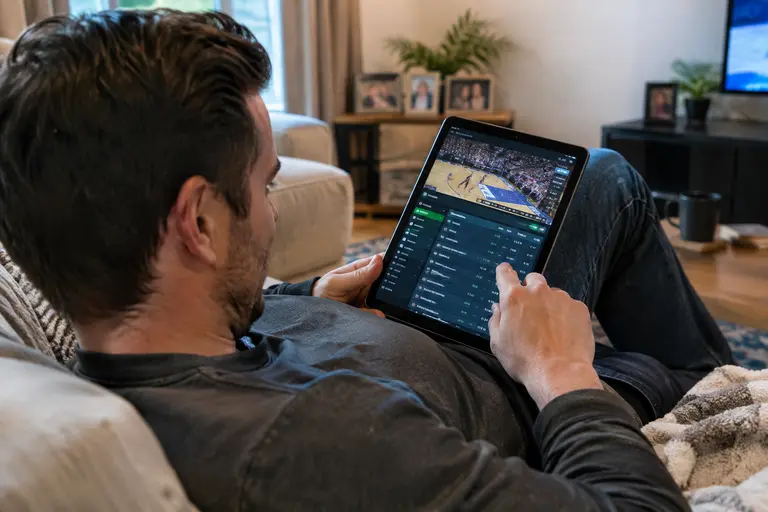
From a consumer-protection view, the strongest sportsbook app is not the one that removes every point of friction. Some friction is useful when it helps prevent a prohibited bet, an out-of-state wager, a mistaken deposit, or marketing contact that conflicts with a player’s own limit-setting behavior.
Bonus Language And Message Timing
Bonus terms are a usability test. If a promotion requires eligibility checks, expiration dates, wagering conditions, or withdrawal limits, the app should show those limits before the customer acts. A headline that is easy to tap but hard to understand is poor design, even if it produces short-term engagement.
For readers comparing promotional wording across related iGaming sites, the content on my-bonus-code.com can serve as a useful reference: while the main figure may catch the eye, it’s essential to consider the terms, customer’s responsibilities, and the specific jurisdictions where the offer is valid. For operators, that same principle should guide app tiles and notifications.
Security, Payments, And Friction
The Ohio fine involving an unapproved funding method shows why payments belong in the usability conversation. A payment button may look simple, but behind it are approval status, account controls, fraud monitoring, and state-specific rules. If the app makes an unavailable method look available, the customer experience becomes misleading and the operator inherits regulatory risk.
- Betting markets should not display prohibited options as available selections.
- Payment screens should show only approved funding methods for that jurisdiction.
- Responsible gambling tools should be easy to find before and after deposit activity.
- Marketing systems should recognize limit-setting and problem-gambling signals.
- Geolocation denials should be clear without suggesting workarounds.
These points sound basic, but they are often where scale creates risk. A national app must adapt to state rules without making the user feel that rules are arbitrary. Clear state-based messages can reduce customer confusion and reduce pressure on support teams.
DraftKings Regulation In Louisiana And Ohio
The implication for DraftKings is not that Louisiana and Ohio are identical. Ohio’s record in the research emphasizes enforcement, advertising standards, change management, and a possible shift toward limiting targeted marketing to users flagged by player-protection tools. Louisiana’s record emphasizes approved operational controls, account access, geolocation, parish availability, platform suitability, and problem gambling program updates.
DraftKings Regulation is therefore becoming a product discipline. Compliance teams need to be involved before user flows are built, not after a campaign goes live or a payment method appears. Product teams need release notes that make sense to regulators. Marketing teams need offer language that survives a plain reading by a customer under pressure. Responsible gaming teams need tools that are visible, usable, and respected by automated messaging systems.
For users, the practical benefit should be a sportsbook app that is slower where caution is warranted and clearer where choices matter. That may mean fewer vague bonus headlines, more direct location messages, stricter payment availability, and better controls around promotional contact. Those changes may not feel exciting, but they are the kind of app improvements that align commercial access with consumer protection.