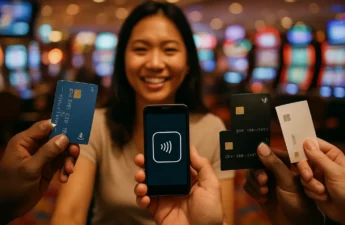
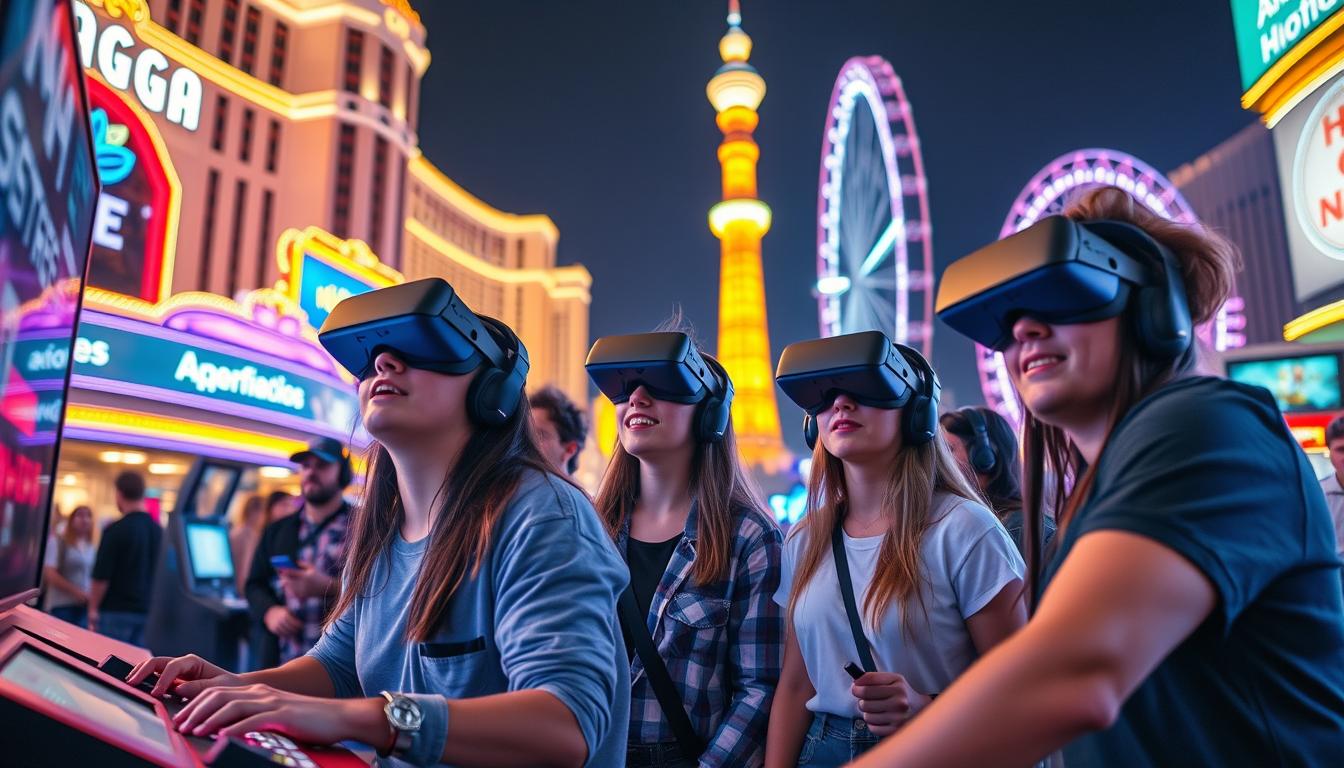
Forget the gentle tide of new tourists. What’s hitting the Strip is a digital tsunami.
We’re seeing a big change in who visits casinos. It’s not just more people coming. It’s a whole new group taking over how casinos make money and what they offer.
This new group has a lot of money to spend. They know all about technology and value what they buy. Gone are the days of the fancy high-roller in a suit. Now, it’s the hoodie-wearing, live-streaming sportsbook fan who’s the big spender.
The numbers show a big change. From 2020 to 2024, visitor numbers have skyrocketed. Old ways of measuring success are no longer working as this new group’s tastes become the new standard.
This isn’t just one type of person. It’s a mix of people who care about social issues and want to connect with others. They’re making the next big story in Vegas, forcing traditional casinos to rethink themselves.
To stand out in a crowded market, casinos are focusing on what players want. It’s not just about winning. It’s about making connections.
Visitor volume trends 2020-2024
Looking at visitor numbers from 2020 to 2024 is more than just counting people. It’s about understanding a cultural shift. The numbers show a drop and then a rise. But the real story is about a change in young adult casino behavior.
Gen Z remembers the quiet of 2020. Their return is not just a nod to the past. It’s a move to a new, digital space. The comeback is not just about catching up. It’s a choice, made with their feet and phones.
What does it mean to “visit” a casino today? Is it just going there, or is it also about online engagement? The answer is getting mixed up. Foot traffic is not the only sign of interest anymore. Now, it’s about how well a casino connects online.
The key is their mobile-first mindset. They don’t just use tech; it’s part of who they are. They want tech to help them connect, get things fast, and support causes. Casinos are just another place to explore online.
Are they coming for the games? Sometimes. But often, they’re after cool bars, big DJs, esports, or new ways to pay. Their visit is a mix of old and new, with gaming as just one part.
This trend shows both sides adapting to each other. Vegas changed to attract Gen Z. Gen Z also changed what they wanted from Vegas. The numbers from 2020 show this interesting dance. To get Gen Z casino preferences, look beyond the numbers and into their online world.
Market share progression
Forget the old maps of Las Vegas gaming revenue. Gen Z is drawing new borders with their smartphones.
The classic metric of who had the loosest slots feels outdated. Today, it’s about grabbing attention and digital wallet space. It’s a battle for screen time and recurring payments.
The industry is crowded. Every operator targets broad markets and player behaviors. To stand out, you need a clear experience and designed moments.
Success isn’t about being the biggest. It’s about being the obvious choice when a Gen Z player is bored.
So, how is the revenue pie getting sliced now? Traditional gaming revenue is steady, like a veteran performer. But is it growing? Not like the new headliners.
Compare that steady state to the explosive growth in three digital arenas:
- Mobile Sports Betting: It’s not just a side bet; it’s a primary entertainment channel, merging fandom with finance.
- In-App Purchases within Social Casino Games: These micro-transactions are the new slot pulls, happening off the Strip entirely.
- Experiential Bundles: Here, gaming is just one ingredient in a package deal—a concert ticket, a cocktail class, and $50 in game credit. The experience is the product.
This isn’t a minor adjustment. It’s a power transfer in real-time. The market share isn’t just progressing in a straight line. It’s fragmenting and then reforming around new centers of gravity. These new hubs are often digital, and they reside squarely in the palm of a Gen Z hand.
We’re watching the very definition of digital gaming Las Vegas expand. It’s no longer confined to a physical property. The market share progression chart looks less like a rising tide and more like a constellation—points of light (revenue) appearing far from the traditional epicenter.
The implication? To grab a slice of this new Gen Z Las Vegas gaming pie, you must design for clarity and intention. You’re not just building games. You’re competing for a spot in a very crowded, very smart phone.
Demographic composition details
When you think of a TikTok teen, you might picture a younger gamer. But, the truth is, Gen Z gamers are actually adults aged 21 to 26. They have money to spend and their own set of values. To understand their young adult casino behavior, we need to see them as individuals, not just numbers.
Who are these young adults, really? They are innovators who value four key things:
- Authenticity: They seek realness and can spot a fake easily.
- Transparency: They hate hidden fees or shady terms.
- Social Equality & Diversity: They believe in equality and diversity, and see it as good for society.
This group trusts their peers and micro-influencers more than big brands. A friend’s story or a creator’s honest review means more than a big ad. This changes how gaming platforms talk to them.
They love being part of a community but also value their individuality. They want a gaming experience that’s just for them. They expect great digital interfaces and want to know if a brand supports causes they care about. This mix of values shapes today’s millennial gaming trends.
For casinos and gaming floors, this means a lot. This group isn’t just playing games; they’re judging brands. A bad app or ad can hurt a brand’s reputation. Their young adult casino behavior shows their values: smooth digital experiences, social proof, and ethical alignment.
Getting to know this demographic is essential. It’s not just about numbers; it’s about understanding people. By speaking their language of real value, we can win their trust. The future of gaming is for those who truly get this.
Digital Integration Preferences
Asking Gen Z about their digital preferences is like asking a fish to rate the water. For them, technology is not just an add-on. It’s the core of their world. They expect apps and interfaces to be easy, tailored, and instantly gratifying.
This creates a fascinating cultural clash on the Strip. The old, glittering Las Vegas is learning a new language. The days of just adding a QR code to menus are over. Today’s visitor wants a mobile experience built from scratch.
They have a mobile-first mindset with clear demands. Why wait in line when an app can let you in? Why use cash when a tap pays? This changes everything, from casino floors to hotel lobbies, as seen in our look at digital gaming in Vegas.
Welcome to the integration era. It’s not about having technology. It’s about being technological. Everything must speak their native tongue.
Mobile app usage and engagement
If the smartphone is Gen Z’s external organ, then a Las Vegas resort’s mobile app is its digital transplant. The success of that operation defines the entire visitor experience. This generation doesn’t just use phones; they live through them. They expect instant, seamless utility, not just information.
So, what does “usage” actually mean in this context? It’s a critical question. Is the app a tool for booking a room, or is it the mobile key that lets you skip the front desk line? Is it for ordering a drink by the pool, or is the app itself the final destination, packed with social casino games and sports betting? The answer determines whether a property is building a platform or just distributing a digital brochure.
True engagement is measured in taps, swipes, and notifications, not just footsteps on the casino floor. For the savvy operator, the app must wear multiple hats:
- The Front Door: First point of contact and booking engine.
- The Concierge: Handling everything from dinner reservations to show tickets.
- The Digital Wallet: Facilitating cashless payments across the property.
- The Game Floor: Hosting legal, on-property mobile sportsbooks or social gaming lounges.
This last point is key. The rise of digital gaming Las Vegas isn’t just about physical machines. For many younger visitors, their first casino interaction might be through a sanctioned app-based game while waiting for a friend. This blurs the line between utility and entertainment.
Our data shows Gen Z expects a personalized experience. A generic app pushing generic promotions is a forgotten download. Engagement metrics reveal the truth: Are users checking in daily for rewards? Do they use the mobile ordering feature? Or did they open it once to book and never return?
The analytics separate beloved tools from digital clutter. A successful mobile gaming Las Vegas strategy understands that the phone isn’t a side channel; it’s the main stage. The app must provide continuous value, or it becomes background noise in a very crowded attention economy. The question isn’t whether you have an app. It’s whether your app has them.
Cashless payment adoption rates
Adoption rates for cashless payments in digital gaming are skyrocketing. This is because a new generation sees cash as a hassle. For casino operators, this is not just a trend; it’s a must-act reality.
Gen Z loves technology and expects things to happen fast. They don’t like waiting for chip runners or dealing with ATM limits. Their Gen Z casino preferences are clear: they want things to be seamless, integrated, and quick.
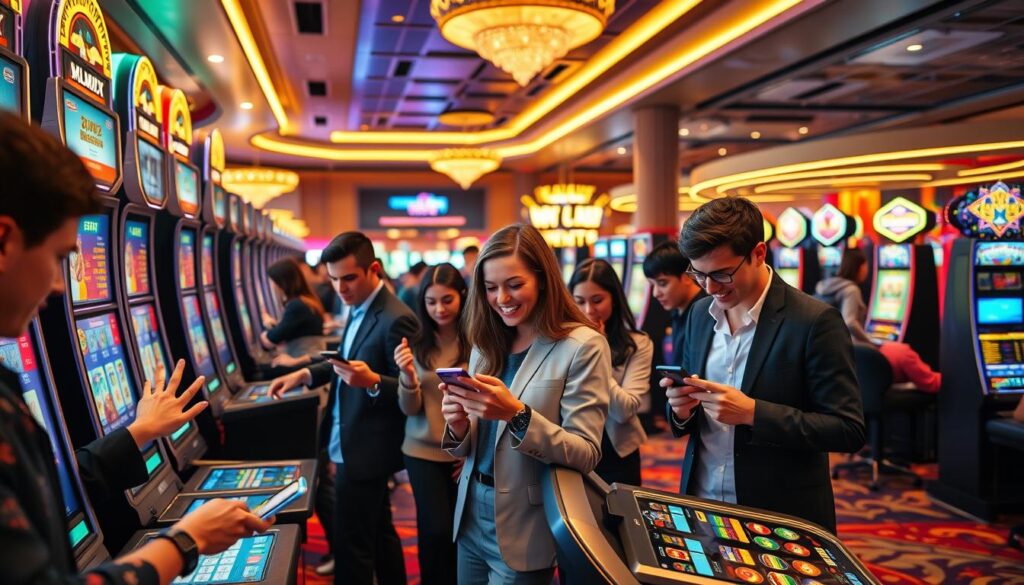
The shift is clear. Digital wallets and gaming accounts are now the norm. This change turns a simple transaction into valuable data. Every tap or scan reveals insights into spending and game choices.
Let’s look at the growth. The table below shows how cashless payments are becoming the norm.
| Year | Adoption Rate (Gen Z Visitors) | Primary Driver | Main Friction Point |
|---|---|---|---|
| 2022 | 35% | Post-pandemic hygiene & speed | Limited venue integration |
| 2023 | 58% | App integration & loyalty linking | State-by-state regulatory patchwork |
| 2024 (Projected) | 78% | Operator mandates & peer normalization | Perceived security concerns |
So, what’s holding back full adoption? Is it slow laws or clunky tech? The hurdles are real but getting smaller fast.
This growth is key for digital gaming Las Vegas. It leads to more plays and bigger bets. It also gives casinos valuable data on their customers. Understanding Gen Z casino preferences is now a matter of math, thanks to their digital trails.
Digital loyalty program participation
The old way of earning rewards is as outdated as dial-up internet to today’s tech-savvy crowd. It’s not about trading points for a free meal. Instead, it’s about earning respect through real, consistent recognition.
This change in young adult casino behavior flips the old loyalty model on its head. The old system was all about trading points for rewards. Now, players want to feel valued and understood by the casino. They look for brands that share their values and offer a personal touch.
So, what makes a modern digital loyalty program stand out? It’s all about making the experience fun and meaningful. Think of it like a quest, not a chore. And the rewards? They should be unique and memorable, like concert tickets or a special mixology class.
Personalization is key to keeping players loyal. A program that remembers your favorite game or sends a birthday gift you’ll love creates a strong bond. If the app feels clunky or separate, you’ve already lost.
The table below shows the big difference between old and new loyalty programs.
| Feature | Traditional Loyalty Program | Gen Z-Optimized Program |
|---|---|---|
| Reward Type | Tangible, cash-equivalent (free play, meals) | Experiential & social (VIP events, unique access) |
| Engagement Driver | Accumulation (points, tiers) | Achievement & Recognition (badges, stories) |
| Digital Integration | Separate card or kiosk-based | Fully embedded in mobile app & social features |
| Personalization Level | Generic, mass-market offers | Hyper-personalized based on play style & preferences |
| Value Proposition | “You spent, here’s a thank you.” | “We see you, and we value your unique presence.” |
This isn’t just a cosmetic change. It’s a complete overhaul of how casinos operate. The focus has shifted from just tracking play to building a sense of community. Does the program offer unique content or early access? Can members shape rewards through polls? These features turn a loyalty program into a vibrant community.
For casinos, this means a big change. A successful loyalty program today is like a constant focus group. It gives real-time insights into what players value. Ignoring this shift means missing out on a lot of money and loyalty from a whole generation. The new currency of loyalty is authentic engagement.
Social Gaming Impact
Remember when playing games was a quiet, almost secret thing? It was a solo mission with one goal. But that’s changing.
For younger people, playing games is a social currency. It’s more about sharing the experience than winning.
This generation wants connection and belonging. They find it in online communities. So, what happens when this social mindset meets the solo world of casinos?
The result is a revolution. We’re seeing a complete change. Game design now focuses on group interaction. Marketing campaigns sell vibes, not just jackpots.
The layout of gaming floors is also changing. Silent rows of slots are being replaced by lively, interactive areas. The goal is to share, broadcast, and discuss in real-time.
It’s turning a private vice into a public, communal activity. The desert oasis is learning to speak the language of digital natives. This is the new game in town.
Experience-sharing behavior
What happens in Vegas now gets shared on social media. For Gen Z, casinos are like studios for making videos. Every moment is a chance to create content.
This isn’t just about showing off. It’s how this generation knows an experience was real. If it’s not shared, it didn’t happen in their world. The act of sharing makes an experience real.
So, what do they share? The data shows a mix of things. Big wins get attention, but it’s the aesthetic details that really get shared. Think craft cocktails, stunning resort lobbies, and celebrity dishes.
This shift in young adult casino behavior is huge. They see themselves as creators, not just players. Resorts are judged by their ‘content value.’ Is the lighting good for selfies? Are there cool spots for photos?
This is great for the industry. A viral TikTok can boost a resort’s image more than any ad. But, there’s a catch.
A bad experience shared online is like a public review. A negative video can harm a resort’s image. It’s seen by many, thanks to social media.
This means every interaction is a chance for a live broadcast. The millennial gaming trends of old were about rewards. Now, it’s about creating moments worth sharing.
This changes everything. Security is about managing media presence. Customer service now includes dealing with content creators. A dealer’s smile is part of someone’s story.
In the end, sharing experiences creates a cycle. Guests seek validation by sharing. Properties get exposure. Audiences get stories. Everyone is both a critic and a character. Casinos have become reality TV sets.
Social media influence on decisions
The algorithm now decides what Gen Z sees in Las Vegas, one viral post at a time. Forget big ads. A 30-second TikTok can pick their resort pool or digital slot game.
This isn’t just a guess. Data shows Gen Z trusts friends or influencers more than ads. Social media is their main way to find new things and get validation.
Why does this matter? Ads talk at people. But a friend’s review or an influencer’s video speaks with them. It feels real and trustworthy.
This changes how marketing works. It’s no longer just about getting people to buy. It’s about building trust through word of mouth. A viral video can make a game popular overnight. A bad review can keep people away.
For brands, this is both good and bad. You can’t control everything, but you can shape it. The smart ones focus on authentic user-generated content and small partnerships. They want creators whose followers trust their opinions.
This model shapes Gen Z casino preferences. What gets talked about online is what gets played. It favors experiences that are fun, shareable, and worth talking about.
The digital gaming Las Vegas scene is changing because of this. A TV ad is just background noise. But a real person’s video has all the power. Gen Z can spot fake marketing from far away. They want real, imperfect experiences.
Social media doesn’t just show what people want; it shapes their choices. From seeing a cool clip to booking a trip, it’s all connected. This changes how we attract people. Influence is earned, not bought. Understanding this is key to reaching the next wave of Gen Z casino preferences.
Group gaming and social activities
The move from solo play to group gaming is more than a trend. It’s a big change in what a casino visit means. This shift in young adult casino behavior turns everything upside down.
It’s everywhere. The solo gambler is almost gone. Gen Z and millennials want to connect. They do this online and in social groups. This desire grows when they’re in a casino.
This turns into a shared social ritual. It’s often more about the experience than the gamble. This is the core of modern millennial gaming trends.
So, what does this look like in practice? Casinos are now places for group fun. Let’s look at the new social scene.
Shared video poker terminals are a great example. Friends can play together, cheering each other on. Multiplayer electronic table games work the same way. Everyone plays together against the house.
Sportsbook viewing parties have become huge. They turn betting into a public event. It feels like a sports bar, not a traditional book. Escape-room-style games mix puzzles, teamwork, and betting into one.
Are casinos making spaces for this? Or are they stuck on solo play? The answer will decide their future. The data shows a big change. Money is moving from just gambling to more “group entertainment” spending.
| Activity Type | Core Social Dynamic | Typical Group Size | Primary Revenue Driver |
|---|---|---|---|
| Shared Video Poker Terminals | Collaborative Celebration | 2-4 | Extended Play Time & Beverage Sales |
| Multiplayer Electronic Table Games | Team vs. House Camaraderie | 4-8 | Higher Aggregate Betting per Station |
| Sportsbook Viewing Parties | Communal Event Viewing | 10+ | Food & Beverage Packages, In-Game Bets |
| Escape-Room-Style Experiences | Problem-Solving Teamwork | 4-6 | Fixed-Price Ticket & Ancillary Spending |
This table is more than a list. It’s a guide for the new casino world. Notice how the money comes from different places. Food, drinks, and tickets are big earners.
The young adult casino behavior is clear. They come in groups to eat, drink, and play. This group spending changes how casinos make money.
Think of it like a concert. The ticket gets you in. The real money comes from merch, drinks, and special experiences. Modern millennial gaming trends follow this logic.
So, the big question is: Will casinos change their spaces? Or will they stick to old ways? Those who focus on group activities will win. They’ll grab the new entertainment money.
The group ritual is now the main event. The bet is just part of the ticket. Understanding this shift is key to the future.
Mobile Payment Adoption
The physical wallet is outdated. It’s bulky and old-fashioned in today’s digital world. Its replacement isn’t a new leather wallet; it’s the easy flow of money from your phone to what you want.
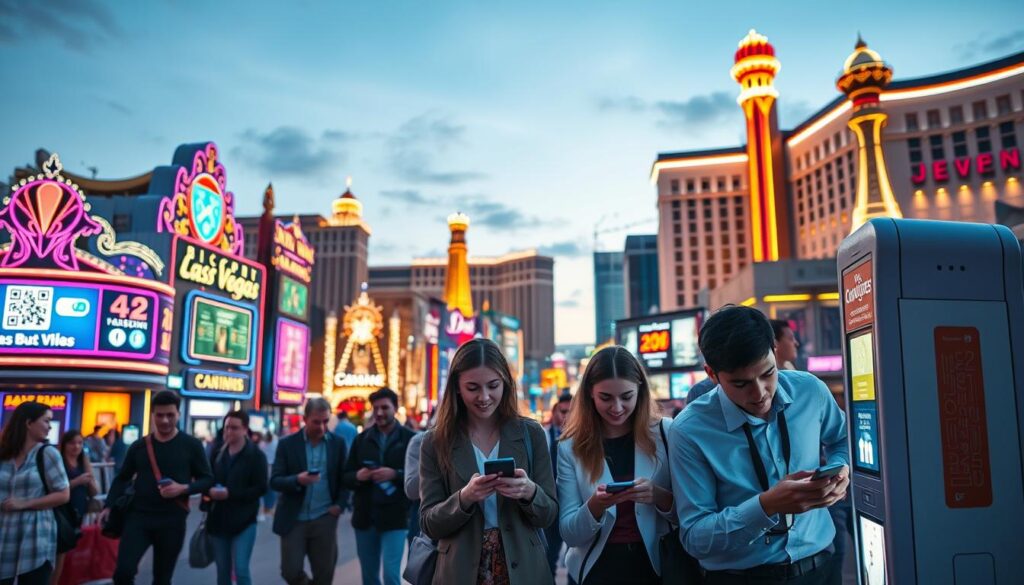
This change is leading the Gen Z Las Vegas gaming revolution. It’s all about using your phone first. Why bother with chips when you can just tap to bet, tip, or join a game?
Today’s technology has made things easier. It’s not just about using Apple Pay at stores. It’s about a safe, easy way to spend money without hassle.
Getting people to use it is key. It makes spending easy and seamless. The real magic is when you don’t even notice you’re paying. The focus shifts to enjoying the moment.
This is what the future of mobile gaming Las Vegas looks like. The old wallet is gone. Welcome to the digital age.
Cashless gaming preferences
Ask a Gen Z gambler about payment, and you’ll see a look of confusion. For them, digital payments are normal, not new. This comfort with tech changes how they gamble.
Their Gen Z casino preferences show a desire for easy spending. They mix practicality with a digital-first mindset. Here are the top digital wallets they prefer:
- Direct Bank Links & Apps: The top choice. Paying with a phone feels like the next step after debit cards. It’s quick, easy, and secure for them.
- Pre-paid Digital Cards: The smart spender’s choice. Services like PayPal or gaming cards help control spending. They like the control and the tech.
- Cryptocurrency: The niche choice. While not common, crypto attracts those who value privacy and new finance ideas. It’s a tech-savvy gamble.
But, does cashless spending feel less real? Many say yes. The feel of cash is replaced by digital numbers.
This makes spending feel less serious. That $50 tap might feel like buying a latte online. It’s not reckless; it’s just different.
For operators, this means more than just adding payment options. It’s about creating a smooth experience. Get the speed or security wrong, and you lose them. Offer bad cash options, and they won’t come.
To win with young adult casino behavior, the experience must be as smooth as their digital lives. Their Gen Z casino preferences show the way forward.
Digital wallet usage patterns
To grasp Gen Z’s financial habits in Vegas, check their digital wallet activity. It shows their spending, from small treats to big splurges. This pattern reveals how they interact with the city.
For digital gaming Las Vegas, the wallet is key. It’s used for quick bets, small games, and app top-ups. These transactions are fast and low-risk, fitting the mobile gaming model.
On the other hand, big-ticket items like weekend getaways or show tickets are less frequent. They might be stored in a different app or wallet. This shows the wallet’s role in both daily and special purchases.
Interestingly, no one wallet dominates. Users often use multiple apps for different needs. Venmo for bills, Apple Pay for shopping, and casino apps for gaming. This variety is a challenge for resorts.
The winner in wallet management is the platform that simplifies this complexity. A unified payment system is needed. It should make transactions as simple as a tap, covering everything from coffee to gaming.
This trend boosts mobile gaming Las Vegas. Easy payments lead to more gaming. The wallet is more than a payment tool; it’s a gateway to a seamless experience. For Gen Z, ease is essential.
Transaction frequency and amounts
The digital native’s behavior is changing how we gamble, without a physical barrier. Cashless systems have made it easier to spend. This creates a unique chance to study how people spend money.
Think about your phone. You tap it for everything from rides to songs. Now, this ease is coming to casinos. The data shows people are betting more often but in smaller amounts.
It’s not just about buying more things. It’s about the ‘why.’ For a generation used to in-app purchases, spending $10 feels normal. This is key to understanding millennial gaming trends.
Lower friction doesn’t always mean smaller bets. Sometimes, it leads to bigger, impulsive bets. The important thing is how often people spend, not just how much.
| Age Cohort | Avg. Monthly Transaction Frequency | Avg. Transaction Amount ($) | Dominant Payment Method |
|---|---|---|---|
| Gen Z (21-26) | 42 | 18.50 | Digital Wallet |
| Millennials (27-42) | 38 | 35.75 | Cashless Card |
| Gen X (43-58) | 22 | 82.00 | Credit/Debit Card |
| Baby Boomers (59+) | 15 | 120.50 | Cash |
The table shows a big difference. Younger adults are betting more often but in smaller amounts. This is a big change in young adult casino behavior.
This change makes it harder for casinos to predict earnings. They’re focusing more on keeping transactions smooth. This could mean more money for the casino, but it’s a big change.
For responsible gaming, this is a big challenge. Without the old limits of cash, new tools are needed. Things like instant spend alerts and easy session limits are essential.
So, is this good or bad? It’s just the new reality. The digital native spends in small amounts, not big ones. Understanding this is key to engaging them responsibly. The era of big splurges is over. Welcome to the age of small, constant bets.
Entertainment Bundle Preferences
Remember when a trip to Sin City was simple? You’d book a hotel, eat at a buffet, gamble, and catch a show. But for a new crowd, this is as old as a slot machine that only takes quarters.
Gen Z sees a weekend as a single, curated entertainment package. They don’t want to buy parts; they want the whole experience. It’s like getting a complete, expertly put-together package.
This isn’t just about saving money. It’s about wanting a cohesive narrative. They want their gaming to be part of a bigger story. This story might include a festival, a pool party, and a dinner with a celebrity chef.
They want everything to flow smoothly. They want their whole stay to feel like one journey. This shows a big change in how people want to experience Las Vegas.
This shift towards all-inclusive bundles is huge. It shows a desire for convenience and value. Casinos need to change how they think. They must start seeing themselves as experience curators. Millennial trends are leading the way: personalized, bundled experiences are the new gold.
Gaming vs entertainment spending ratios
Mobile gaming Las Vegas might draw you in, but the real story is at the checkout. For Gen Z, a Vegas trip is all about planned experiences. It’s not just about gambling, but how much of their budget they allocate to it.
This ratio is a test of loyalty for the casino. It shows if they value gaming or other experiences more. If 80% of their spend is on other things, with gaming making up 20%, it tells us a lot.
This means gaming is now just a side activity. It’s not the main event. This change shows how young adults view casinos today.
This generation values every dollar. They want to get the most out of their money, like they do with their favorite apps. Spending on a slot machine doesn’t feel as rewarding as a night out with friends.
So, what’s the typical split? Gaming is no longer the main focus. It’s often a small part of their budget. Most money goes to experiences like sushi, concerts, and art.
Tracking this ratio shows how well Vegas cross-sells. Success means moving guests from gaming to dining, shows, and back. If gaming spend goes down but total spend stays the same or goes up, it’s a win.
This means casinos need to change. They must offer more than just gaming. The floor should be a social space that leads to other experiences. Rewards should value all activities equally.
The implications are huge. If mobile gaming Las Vegas is more about socializing than betting, casinos must adapt. They need to create a space that’s more than just slots. It should be a place where people can socialize and enjoy different activities.
At the end of the day, Vegas is an entertainment system for this generation. Gaming is just one app among many. Understanding this young adult casino behavior is key to creating the resort of the future. It’s not about getting them to gamble more, but to spend their whole budget with you.
Package deal attractiveness
So, what makes a package deal appealing to Gen Z? It’s not just about discounts anymore. Today, it’s about convenience, exclusivity, and a good story.
Imagine a package that feels like a special episode in your life. For example, a “Music Festival Weekend” package includes a hotel, tickets, and gaming credits. It’s all about personal touches and unique experiences.
When everything comes together, it’s magic. Digital gaming in Las Vegas gets it right. A bundle with mobile app credits, cashless payments, and VIP lounge access is more than a sale. It’s a tech-savvy adventure that’s worth sharing.
The secret is simple. Mix convenience with exclusivity and a genuine theme. You’re not just selling a room and chips. You’re selling a memorable part of their life. That’s what wins.