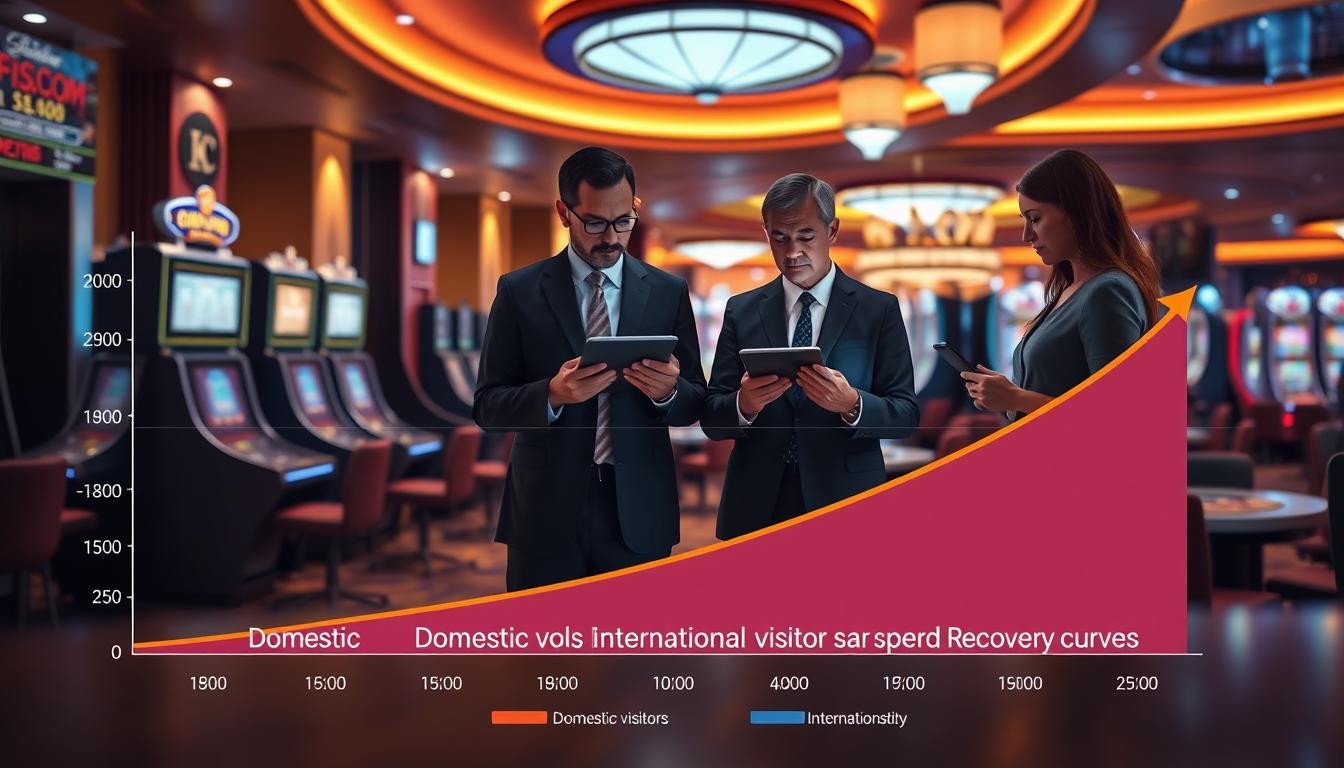
As we get closer to the 2026 FIFA World Cup, gaming spend is changing. The U.S. will host 78 of 104 games in 11 cities. The excitement is building, but there’s a story of two recovery curves.
Imagine a visitor from Dallas, ready to spend $800 on dinner and blackjack. On the other hand, an international traveler from Seoul is checking forex rates. This shows how different spending habits shape the casino floor.
International visitors are expected to drop from 72.4 million in 2024 to 67.9 million in 2025. That’s a 6.3% decline. Spending is forecasted to fall to around $173 billion. The question is, will 5 million visitors show up, or will visa issues and a strong dollar stop them?
Data sources NGCB LVCVA OAG credit card panels forex
To understand the gaming spend recovery, we must first explore our data origins. The Nevada Gaming Control Board (NGCB) gives us the raw revenue numbers. But the real story is in the LVCVA origin mix. This data shows where our visitors come from and whose wallets are opening.
I’ve looked at this data alongside OAG airlift data. Why? Because full flights mean more people at casinos. If flights are full, it’s a sign the gaming industry is recovering. But it’s not just about numbers; it’s about spending habits.
Then there are the credit card panels. These tools give us a detailed look at spending behavior. Spend per party isn’t just a number; it shows how much visitors are willing to spend.
And let’s not forget forex. Currency changes can greatly affect international gaming budgets. For example, a 15% drop in the yen’s value can make a big difference for Tokyo high rollers.
Interestingly, academics have taken notice. During COVID, there was a surge of research—180 papers in Sustainability alone—trying to understand recovery. Yet, the irony is that the smart tourism themes identified as “high-potential” are hard for the industry to implement.
So, we have the data. The question is: are we reading it right? The insights are there, waiting to be found. They could very well shape the future of gaming spend recovery.
Pre vs post pandemic origin mix and spend per party shifts
Las Vegas used to be a favorite spot for Chinese tourists, who loved baccarat and had UnionPay cards. Now, it’s a different story. The pandemic changed everything, bringing a new mix of visitors.
Today, we see two main groups. Domestic visitors from California and Arizona are coming back fast. But international travel is slow to recover. Airports lost $76.6 billion in 2020, showing the big impact.
Domestic visitors are spending more but staying less. They prefer quick trips. International guests, when they come, stay longer but spend less. The strong dollar and inflation are to blame.
The old visitor mix was easy to predict. But now, it’s changing fast. Using old data for new forecasts is like trying to read tea leaves in a storm. It’s important to understand these changes to adapt.
Sports impact F1 UFC Super Bowl change in mix and ASPs
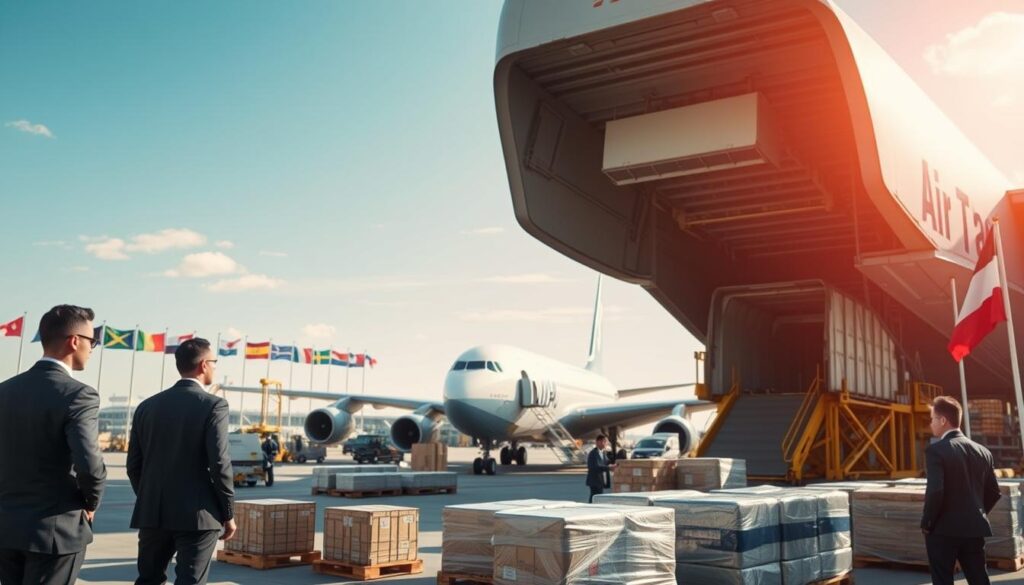
A global sporting event can change a market’s landscape a lot. Las Vegas is a great example. The recent F1 Grand Prix brought in many wealthy Europeans. It also changed what hotels on the Strip could charge for rooms.
Imagine a room that cost $199 on a quiet Tuesday in August now costs $1,200. This change makes hotels rethink how they price rooms. Events like the UFC and the Super Bowl make prices even higher. During these times, hotels mostly get guests who are very rich and don’t worry about the cost of traveling.
But, these high prices hide problems in the hotel market. Take away the F1 weekend, and hotels’ earnings look less impressive. The World Cup shows this too. U.S. cities hosting the tournament saw a big increase in revenue. But, this increase dropped a lot when the tournament was over.
The forex impact has two sides. A strong dollar makes U.S. events more expensive for fans from abroad. This is seen in Canada and Mexico, where hotel prices have gone up a lot. It seems like people are choosing places that are easier on their wallets.
In short, Las Vegas loves the buzz of big sports events. But, there’s more to it than meets the eye. Hotels and investors need to understand these changes. They have to be ready for how fast things can change with the next big game.
Airlift and yield sensitivity seats vs ADR vs gaming wallet
Airlift capacity is key for international travel. It affects hotel rates and the gaming wallet. The U.S. Travel Association says international arrivals will drop from 72.4 million in 2024 to 67.9 million in 2025. This is a 6.3% decrease.
The $250 “visa integrity fee” started on October 1, 2025. For a family of four from Brazil, it’s a $1,000 tax. This is before they even book a flight. The wait times for U.S. visas are long, taking months in key markets like Brazil, India, and China.
OAG data shows Tokyo to Las Vegas seat capacity is 30% lower than 2019. This means higher fares. Visitors from abroad will spend $2,000 before checking into the Bellagio. That’s money that won’t be spent on slot machines!
U.S. hoteliers are raising ADRs by 55% for the World Cup. But, the number of international visitors is going down. The gaming wallet’s value is lost if visitors can’t get past customs.
In summary, airlift, hotel rates, and the gaming wallet are closely linked. Visa friction is a big barrier. This makes it harder for international visitors to boost the gaming economy. It’s a supply and demand issue, but with a twist of bureaucracy that might keep travelers at home.
Currency and macro USD strength vs international affordability
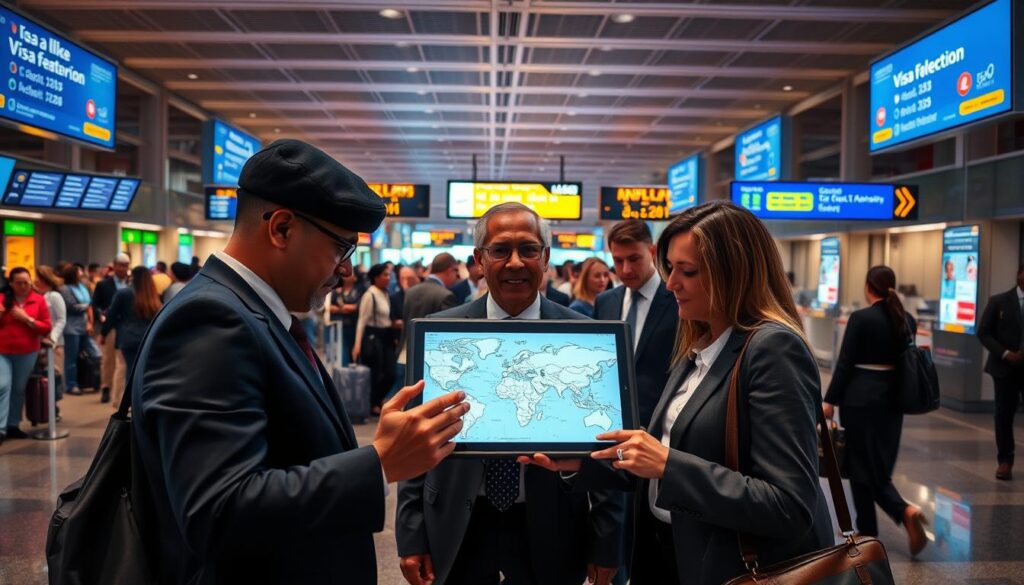
The U.S. dollar’s dominance is more than just a financial story. It’s a travel tale that affects how much people spend on gaming worldwide. Economic challenges are making trips to the U.S. expensive for international visitors. High airfare, tough visa rules, and a strong dollar are pushing fans to look for cheaper, closer places to visit.
A Japanese traveler once planned to spend ¥500,000 on a Vegas trip in 2020. That was about $4,500. Now, that same budget is only worth around $3,300. It’s not because the yen has lost value. The dollar has become much stronger.
This isn’t just a problem for Japanese travelers. The Brazilian real, Korean won, and British pound have all been hit hard by the dollar’s strength. This affects spend per party a lot. When it’s hard to afford things, people often spend less on gaming. They might choose to play with $25 hands instead of $100 ones. They might also pick cheaper dining options, like well drinks over expensive bottle service.
The World Cup is expected to draw 5 million visitors to North America. But many might choose to stay in Toronto and visit the U.S. for day trips. The math just doesn’t work out for a full trip to the U.S. The economic situation is a big deal, not just background noise. Anyone ignoring this is writing fiction, not real analysis.
| Currency | 2020 Budget (USD) | Current Budget (USD) | Change (%) |
|---|---|---|---|
| Japanese Yen | $4,500 | $3,300 | -26.67% |
| Brazilian Real | $1,200 | $800 | -33.33% |
| Korean Won | $3,000 | $2,000 | -33.33% |
| British Pound | $5,000 | $3,500 | -30.00% |
For more insights into the economic impacts on travel, check out this detailed analysis.
Target markets Mexico Canada UK Brazil Japan Korea Middle East
Canada and Mexico are the top players in the tourism game. They cross borders with ease, showing other markets how it’s done. Their close relationship boosts gaming in the U.S. and drives growth.
Canadian cities see a huge 92% growth in Average Daily Rate (ADR) during the World Cup. This shows their key role in the recovery.
The U.K. is a strong player across the Atlantic. Despite long flights and a weak pound, Brits keep coming to the U.S. for gaming. They love the experience, no matter their accent or betting style.
Brazil, Japan, Korea, and the Middle East face challenges. Brazil’s visa wait times are too long. Japan’s currency drop makes Las Vegas expensive. Korea’s airlift issues slow its growth. The Middle East is a wild card, with high-value visitors but tough competition.
India and China are big opportunities, but visa issues hold them back. The ESTA program seems exclusive to them.
Targeting these markets needs a focused approach. Each has its own story of recovery. Understanding these stories is key to successful marketing.
| Market | Characteristics | Challenges | Opportunities |
|---|---|---|---|
| Canada | High loyalty, close proximity | None | Strong growth in ADR |
| Mexico | Frequent visitors, cultural ties | None | Increased gaming spend |
| UK | Resilient travelers, long-haul flights | Weak pound | Continued interest in U.S. gaming |
| Brazil | Potential growth market | Visa wait times | Untapped gaming spend |
| Japan | High interest in gaming | Currency challenges | Growing market porential |

Marketing levers language partners KOLs watch parties and packages
To really use international airlift well, marketing needs to be smart and fresh. Experts say to use data to guide decisions as bookings grow. This means changing prices to balance quick wins with keeping places full.
Language partners are key, not just nice extras. They help make visitors from abroad feel welcome. Picture a Brazilian UFC fan feeling like they’re part of a local party. With hosts who speak Portuguese, casinos can make experiences better. This makes gaming wallet numbers go up, like a heart rate after treatment.
Key Opinion Leaders (KOLs) are changing marketing. These influencers are like modern travel agents. When a famous Japanese YouTube star talks about Vegas World Cup, it gets more attention than ads. Their words have a big impact.
Watch parties in places like São Paulo and Seoul create excitement. This excitement leads to more bookings. They are great tools to get people interested before they even travel.
Packages that include tickets, hotel stays, and gaming credits do more than just make money. They help visitors plan their spending before they arrive. This makes it easier for them to decide to come.
But, all these plans are useless without enough flights. You can market well to Mexico City, but if there aren’t enough seats, it won’t work. Dynamic pricing must match with dynamic marketing. Campaigns should change quickly based on how many seats are available to bring visitors to the casino.
For more tips on improving your marketing, see our full report on seat supply models.
Risk layer visa wait times junket restrictions AML KYC
Visa wait times are a big reason why fewer people are visiting from abroad. They might not make the news, but they really matter. For example, a high roller from China might wait 200 days for a visa interview.
Instead of going to Las Vegas, they might choose Singapore or Macau. These places are easier to get into.
A new $250 “visa integrity fee” starts on October 1, 2025. It’s for travelers from non-Visa Waiver countries. This fee makes it harder for people to visit, adding to the travel mess.
Junket restrictions have also gotten stricter. This change has cut off the usual flow of VIP Asian gamers to American casinos. The old system, which handled visas and entertainment, is gone. Now, visitors face more obstacles than ever.
The AML/KYC rules are also a big deal. They’re like a TSA pat-down. Explaining why a visitor from Korea needs three IDs and a bank statement can be tough. The minimum bets might be higher than their monthly rent!
The forex impact makes things even worse. When you add compliance to currency issues, visitors might choose Dubai instead. This is costing the gaming industry billions.
Forecast scenarios 12 month origin mix under three capacity paths
The next twelve months are critical for gaming spend recovery. Over 6 million World Cup tickets are unsold, raising high stakes. Will people choose U.S. cities or Canadian and Mexican ones? The World Cup is a chance for growth, but only for quick adaptors.
Now, let’s look at the three paths ahead. Path One is optimistic, with less visa trouble and airlift back to 2019 levels. The dollar might also ease. This could lead to a big boost in international spending.
Path Two is more cautious. Visa wait times might get shorter, but airlift will only reach 85% of pre-pandemic levels. The dollar stays strong, attracting domestic visitors instead. This path might see occupancy fluctuate, but international spend remains elusive.
Path Three is the worst-case scenario. Visa issues get worse, and the dollar gets stronger. People might prefer Canada and Mexico for easier entry and better exchange rates. This could lead to low occupancy during the World Cup.
The big question is: Are leaders ready for the toughest scenario? Being flexible is key to making the most of this chance or losing it to others.