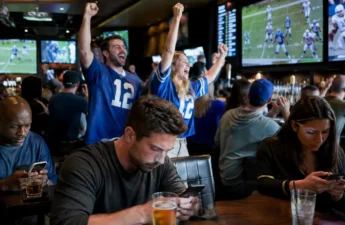
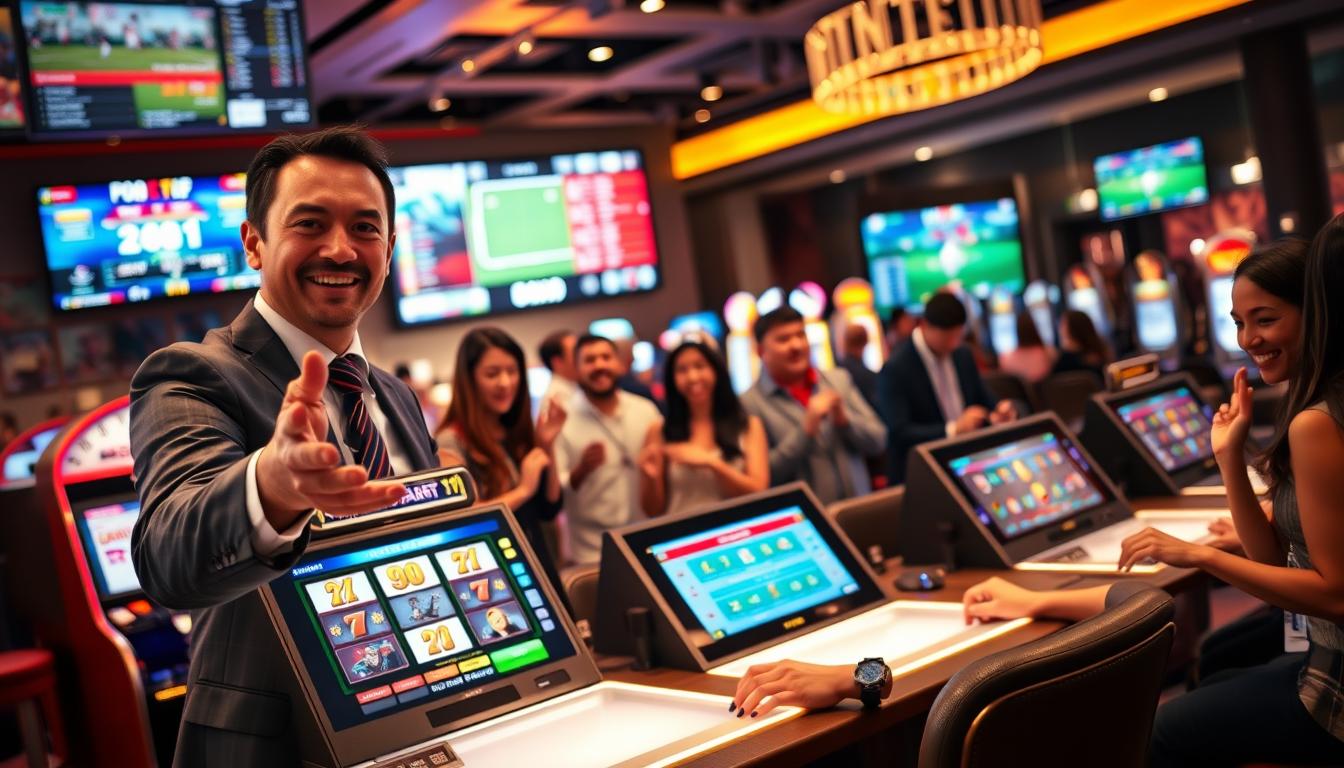
Let’s cut through the noise. Everyone’s obsessed with the handle—that big, flashy number in quarterly reports. But handle is just a show, hold is what really matters.
I’ve seen operators treat sports bettors like they’re stuck in a one-dimensional world. They think a sports fan won’t enjoy blackjack or a slot bonus.
The real game is on the floor, not just on screens. A sports bettor might start with a game but end up playing slots. This article explores how to turn sports bettors into table and slot players.
Why? Because those who get it right will thrive, not just survive, in tough times.
Funnel map bet placed dwell time wallet state adjacent spend lanes
Think of the sportsbook as a lively world. Every bet is just the start of an exciting adventure. After placing a bet, we enter a world where emotions guide our wallet actions. This sportsbook to casino funnel is not a simple path; it’s a complex decision tree with many paths.
As we wait for the game to end, our wallet states change:
- Pre-game Optimist: Wallet open, possibilities endless.
- Halftime Nervous Wreck: Wallet clutched, seeking distraction.
- Post-loss Mourner: Wallet vulnerable, chasing something—anything.
- Post-win King: Wallet fat, inhibitions low.
Each state leads to different spend lanes. These lanes are often seen as accidental finds, not planned paths. The key is to understand how to guide bettors through these lanes.
For example, someone in the halftime nervous wreck state might be drawn to table games. On the other hand, the post-win king might want to try high-stakes slots.
But, many operators struggle to find the best lane because they focus too much on handle. They overlook the bigger picture: the sportsbook to casino funnel is about more than just betting. It’s about creating an experience that connects with the bettor’s feelings and encourages more interaction.
Trigger moments cash tickets halftime dead time parlay sweats win loss nudges
In sports betting, timing is everything. Finding those trigger moments can turn a casual fan into a serious player. Halftime dead time, for example, is a great time to suggest blackjack minis.
Parlay sweats are another key moment. Imagine a bettor’s five-leg bet is going well, but they’re also nervous. This mix of hope and fear makes them open to offers. It’s a chance for sportsbooks to shine.
Cash ticket moments are also important. When someone sees a big win, they start thinking about what they could do with it. Sadly, many sportsbooks miss this chance to connect with bettors.
On the other hand, win-loss nudges work in different ways. Winners want to keep their streak going, maybe by playing more games. Losers might need a gentle push to try their luck again. Knowing these emotional cues is essential.
Let’s look at the watch party yield metric. When friends watch a game together, every moment is amplified. A win can lead to celebrating at the tables, while a loss might mean a break at the slots. Are you ready for these moments, or just hoping they come?
To learn more about making the most of these moments, check out this insightful resource.
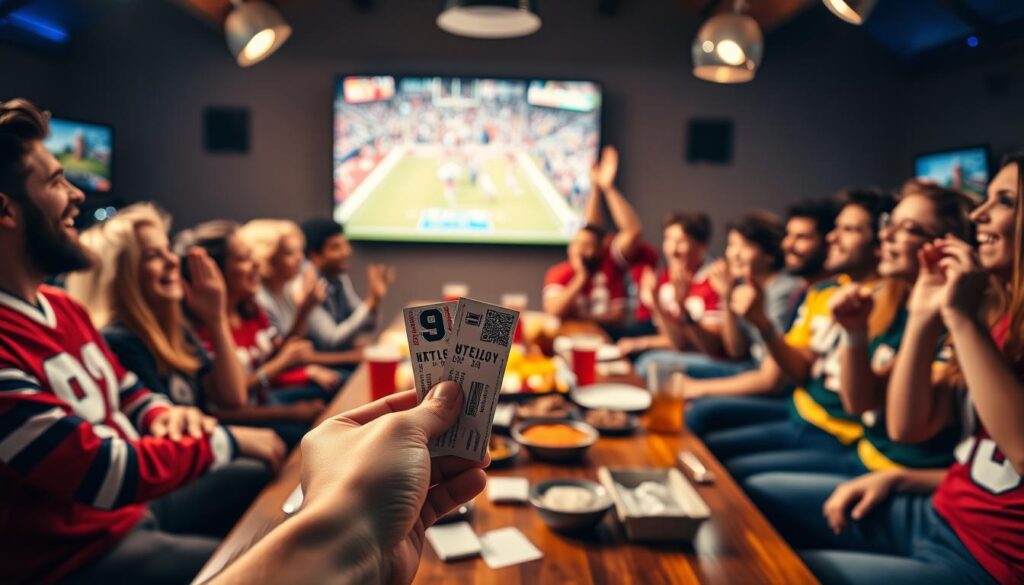
UX design sportsbook exits to floor signage soundscapes fast paths
Have you ever felt lost in some sportsbooks while others guide you easily? The physical architecture of a sportsbook can make a big difference. A good space is easy to navigate, with clear exits and signs.
Signage should be clear and inviting, not confusing. Does your signage lead you to more action or confuse you? This choice is key.
The soundscape is also important. Sounds like slot jackpots and roulette tables can draw you in. They’re not just background noise; they invite you to play more.
Imagine a sportsbook where every sound encourages you to play. It’s all about making the betting experience better.
Getting to high-yield table games should be easy. Design should follow how people move. App push notifications can help, like during halftime with a special offer.
Most sportsbooks are not designed for bettors. Let’s see how UX design can improve the experience:
| Element | Impact on Experience | Example |
|---|---|---|
| Signage | Guides bettors seamlessly | Clear arrows pointing to tables |
| Soundscapes | Enhances engagement | Slot machine chimes |
| Pathways | Facilitates movement | Direct routes to games |
| App Push | Personalizes experience | Offers during key moments |
In conclusion, a sportsbook’s design should focus on a smooth experience. Good signage, soundscapes, and app push notifications can make a big difference. They turn betting into an exciting journey.
Mobile pushes geo fence cooldown windows and personalization
In sports betting, mobile pushes are more than just notifications. They are your direct link to the action. Imagine getting messages that match your betting style. This is where geo-fencing comes in, making each push feel personal and relevant.
Being on the casino floor raises the stakes. It’s not just about being in the app; it’s about being in the moment. This close connection makes app pushes more effective. But timing is key, which is where cooldown windows come in.
Too many notifications can hurt cross sell rates. If a bettor loses big, they need time to process. Pushing them with “Hey, try blackjack!” right after can feel off-putting. On the other hand, a bettor who wins big should enjoy their success before being encouraged to bet again.
Personalization is more than just adding a first name to a message. It’s about knowing that a UFC fan and an NFL fan are different. Their betting habits and risk levels vary. For example:
- The UFC fan might enjoy high-energy slot offers.
- The NFL fan might prefer the strategic gameplay of poker.
This all needs to be done responsibly. We must know who’s on exclusion lists and who needs a gentle nudge. The technology and data are available; the question is, why do most sportsbook pushes feel like shouting in a crowded room?
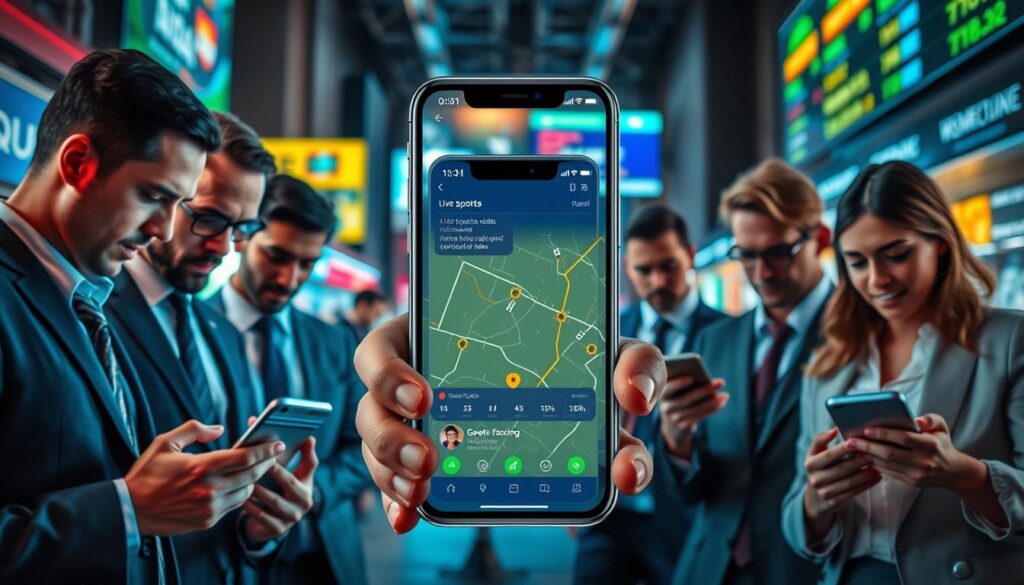
Measurement cross wallet rate ARPU uplift incremental profit not comps only
Measuring success by just looking at month-to-month revenue misses the point. The cross wallet rate is key. It shows how many sports bettors also play casino games. But it’s not enough to just know they crossed over.
We also need to see if their total value to the property went up. And by how much. This is what ARPU uplift is all about.
Understanding incremental profit is the ultimate goal. It means figuring out how the sportsbook to casino funnel affects revenue. Did a sportsbook promotion really boost table game revenue, or was it just a busy weekend?
Most operators can’t tell without guessing. They don’t have the right data.
Take a bettor who bets $50 on a parlay and then spends $500 at blackjack. They’re not just a table games player. They’re a sportsbook-to-casino conversion. Their value should be counted right, but many operators only look at comps.
Looking at year-over-year numbers isn’t enough. It doesn’t tell the whole story.
Also, the payout limits in house rules add a twist. When a bettor hits a cap, their feelings about the house change. Are you tracking this shift? Are you seeing how it affects their cross wallet behavior?
If not, you’re missing out on valuable insights. And I mean that both literally and figuratively.
Event case SB vs UFC dwell patterns best performing bridges
The Super Bowl and UFC fights are like apples and oranges in betting. Super Bowl bettors show up early, making the sportsbook their home. They spend at least four hours there, watching commercials and placing bets.
UFC fans, on the other hand, are all about the action. Their time is split into short, intense moments and longer breaks. These breaks can last from five to twenty minutes.
For Super Bowl fans, social games are key. Group blackjack or shared slots keep the party going. These games add to the fun and excitement.
UFC fans, though, love fast-paced games and high-risk slots. They want quick wins and lots of action. Casinos that offer these games see big gains in cross-selling.
It’s not just about events and casino play. It’s about matching the right event with the right play. By doing this, casinos can make more money and keep players engaged.
Responsible gaming friction limits timeouts loss chasing guardrails
Friction is not a problem in responsible gaming; it’s a solution. Smart friction in betting environments helps prevent loss chasing. It’s like a timeout that stops impulsive decisions, protecting the customer relationship.
The excitement of table game offers can lead to loss chasing. That’s where guardrails play a key role. They act like bouncers, keeping players from making bad choices. Sportsbooks already have rules to protect guests, but do these apply to cross-selling too?
- Timeouts: Mandatory cooling periods after significant losses.
- Limits: Automatic triggers when behavior patterns shift.
- Calibration: Offers tailored to a bettor’s risk profile.
Adding these measures is not just a rule; it’s a smart move for brands. It shows responsible gaming is taken seriously, like a bartender knows when to stop serving.
By adding friction points to betting, we improve safety and loyalty. A protected bettor is more likely to come back. They trust the brand for its responsible practices.
Partnerships teams bars influencers trial missions
Partnerships can make a sportsbook a lively place. When local teams team up with sportsbooks, it’s a win-win. Fans at watch parties are ready to bet and have fun.
Bars and restaurants nearby are not rivals. They’re like the pre-game area, leading to the sportsbook to casino funnel. For example, a bar might offer a free drink with a voucher. This makes people want to stay and explore.
Influencer partnerships need to be done right. They can feel like insider tips, not just ads. The goal is to make people want to try casino games.
Think about adding fun stuff like a live blackjack tutorial during halftime. It’s entertaining and teaches people about casino games. The aim is to make the transition from sports betting to casino games smooth.
Remember, the rules about betting together are strict. But smart marketing can work well. By building these worlds, operators attract more than just customers. They create an exciting journey that starts with sports betting.
Testing matrix voucher size timing eligible games and controls
Welcome to a world where data and strategy meet. A testing matrix is more than a tool; it’s the core of your conversion strategy. Let’s start with voucher size. A $10 free play feels like a warm hug, while a $50 offer might surprise you. Smaller amounts often work better because they feel like a gift, not a risk.
Timing is key. Think about when you send those app pushes. The excitement before a game is different from the calm during halftime. Each time has its own feel, affecting how players react. The games you promote also play a big role. Sending a blackjack voucher to a beginner is like giving a puzzle to a toddler. Stick to slots for easy wins.
Controls are your safety net. Holdout groups show what happens without your offers. A/B testing isolates variables, and measurement windows track not just immediate redemptions but also long-term changes. Remember, things don’t always go as planned. Your matrix should handle messy data.
Adding app push notifications makes your matrix come to life. Adjust offers in real-time based on how people use them. Geo-fencing ensures your messages reach the right people at the right time. Personalization is key; learn from every interaction to boost cross-sell rates. Operators who see cross-sell as an evolving product will do well, even when things get tough.