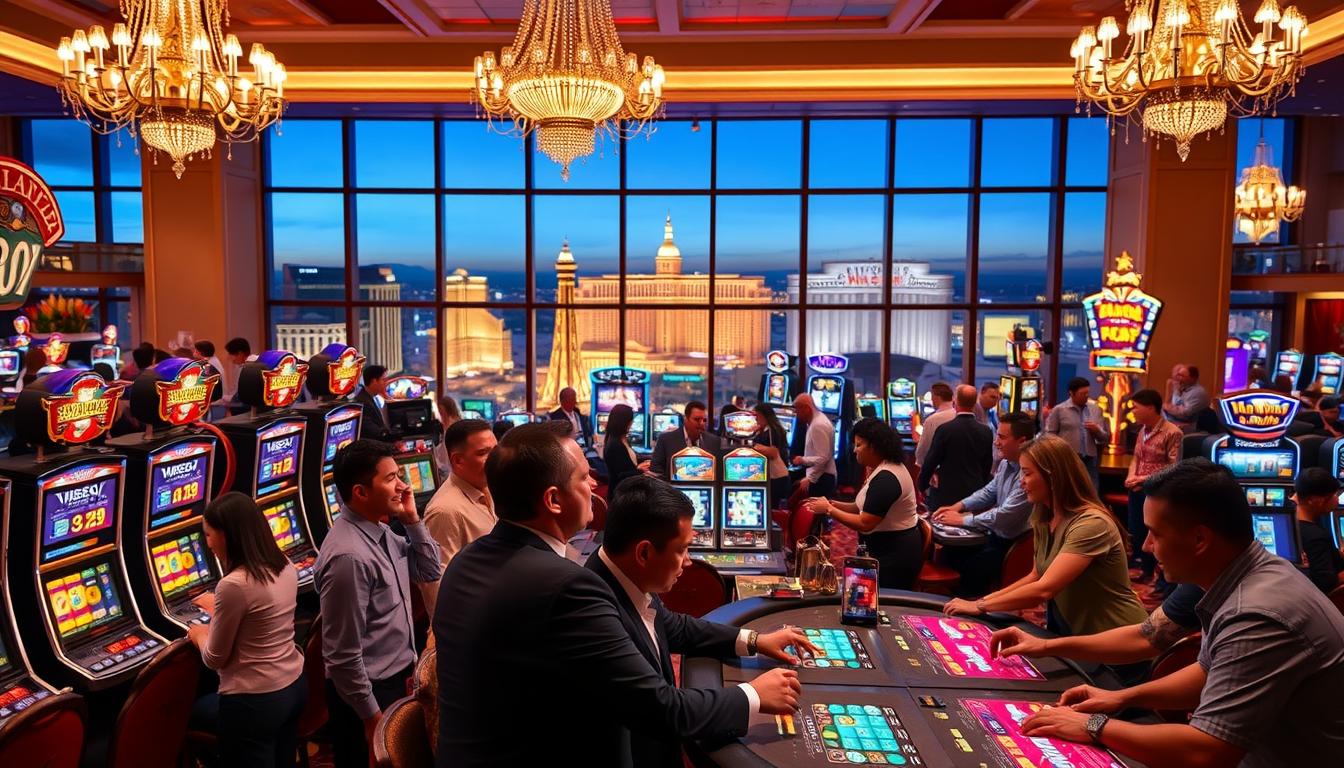
Let’s break down the myth about gaming. High-value players aren’t just a buzzword. They’re a big change in how casinos make money, after the high-roller junket model fell.
Citigroup said in January that these players bet an average of HKD28,424 (USD3,644). That’s a 41 percent jump from last year. And total bets reached HKD16 million (USD2.05 million), up 25 percent, even with fewer players.
This shows that fewer players are betting more. It’s a big deal.
Think of a surgeon from Scottsdale who loves big bets but doesn’t want fancy perks. They’re in a special spot—too rich for the regular floor but not fancy enough for VIP areas. They want to show they’re smart and bold in their bets.
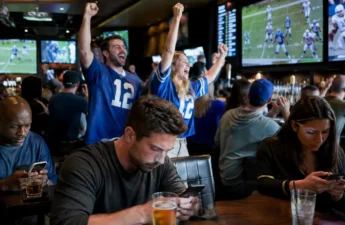
And here’s the exciting part: many of these players come with UFC tickets and sportsbook apps ready. The mix of high-stakes gaming and sports tourism is no accident. It shows players want experiences, not just bets. Vegas is ready for this. The question is, will casinos change their ways to grab this chance?
Overlap with sports tourists club and F and B buyers with sportsbook interest
Imagine a world where sports fans and premium gamblers are one and the same—welcome to Vegas. The sports tourism and premium mass gaming are changing Vegas. It’s a big shift in how we see entertainment and spending.
Citigroup analysts say Macau’s success comes from gaming and non-gaming options for these customers. They found that concert ticket incentives are working well. This shows the overlap between sports tourists and premium players is real and profitable.
A group of affluent professionals from Dallas comes for a UFC card. They have dinner at a high-end steakhouse and spend a lot on club table service. They also have a big sportsbook balance.
These aren’t just slot machine players. They are educated, affluent people who see gambling as part of their entertainment. The food and drink part is very important. A premium player might not like a $100 minimum bet but will spend $400 on food.
The sportsbook interest is like a gateway. Parlays lead to table play, which leads to EGM sessions. It shows how these experiences are connected.
Macau has already used concert tie-ins. Vegas needs to use its sports tourism better. The property that links its sportsbook loyalty with premium floor access and high-end dining is ahead. Here, experiential spend and gaming revenue blend together. And that’s the ultimate win.
| Aspect | Sports Tourists | Premium Mass Players |
|---|---|---|
| Spending Habits | High on experiences (concerts, fights) | High on gaming (table games, slots) |
| Dining Preferences | Fine dining, exclusive reservations | Willing to splurge on gourmet meals |
| Gambling Behavior | Occasional betting, focused on events | Regular play, strategic betting |
| Entertainment Value | Curated experiences | Integrated gaming and dining |
Floor design mid high minimum pits and EGM denom migration during events
The dance between looks and psychology is key in floor design, for mid-high table minimums. A casino floor is more than tables and machines; it’s a space designed to improve the player’s experience. The premium mass player wants a high-end feel without feeling alone. They seek the excitement of the main floor with the comfort of roomy spaces.
Look at Macau’s recent updates. Citigroup noted big changes at various spots, before the Lunar New Year. The Pearl Room at Sands Macao opened with a big splash, showing it’s different. The Parisian Macao teamed up with Pop Mart, creating a special vibe. These designs aim to meet the players’ psychological needs.
During big events like the Super Bowl or a Canelo fight, the EGM denom mix changes. Players who usually play penny slots start to try quarters and dollars. The excitement from the event makes them more willing to take risks. A player who just won $500 is ready to play at higher denominations.
Smart floor designers know this. They place mid-high minimum pits near sports viewing areas. They put higher-denomination EGMs along the path from the sportsbook to the high-limit room. This strategy helped Galaxy Macau grab 25 percent of premium mass play.
To show how floor design affects player behavior, look at this table:
| Event Type | Typical EGM Denom | Player Engagement Level | Floor Design Features |
|---|---|---|---|
| Regular Days | Penny | Low | Standard Layout |
| Major Events | Quarters/Dollars | High | Strategic Sightlines |
| Holidays | Varied | Medium | Enhanced Amenities |
Vegas operators should learn from Macau. Knowing how the EGM denom mix changes with events is vital. Your casino floor should match the event calendar, making it welcoming and engaging. A well-designed floor can turn a good experience into an amazing one.
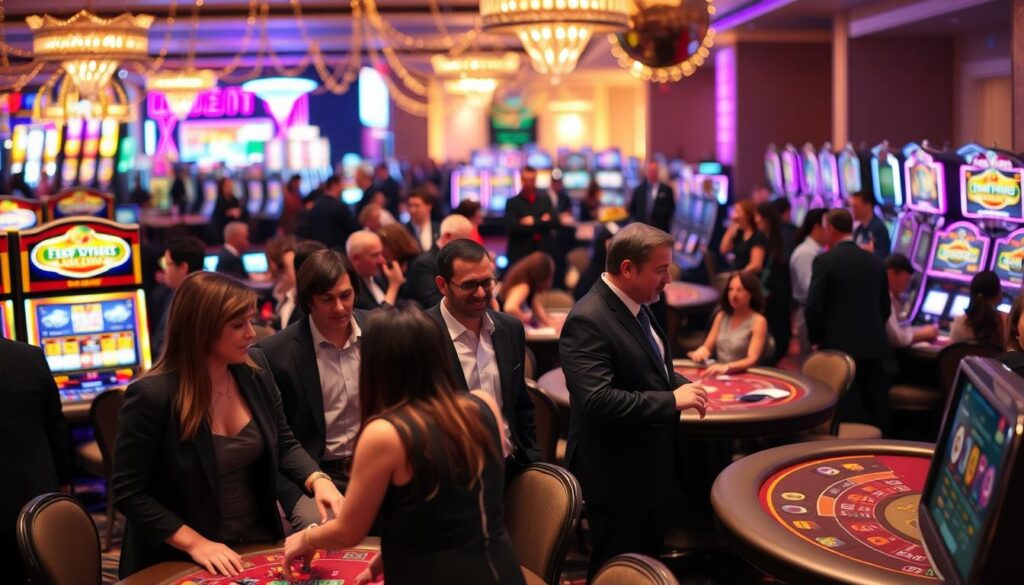
Service standards high touch without salon privileges
Delivering top-notch service to premium mass players is a big challenge. They are like the “whales” in Citigroup’s survey, where 28 players spent a huge HKD8.1 million (USD1.04 million) together. This means each player spent about HKD290,000 (USD37,180) on average. Six players even spent HKD500,000 or more, showing the high stakes.
But here’s the catch: these players want quality service without all the extra attention. They don’t need a butler to remember their dog’s birthday. Instead, they want service that’s both efficient and respectful. It’s like having a drink ready before you even know you’re thirsty.
At places like the Horizon Room at Galaxy Macau, the service is all about being subtle. It’s about creating a smooth experience. When big players like six of them spend half a million Hong Kong dollars, the service needs to understand their needs without being too obvious.
In Vegas, the challenge gets even bigger. Staff need to read the mood of players very carefully. If a player is down, they don’t want to talk. But if they’re winning, they want to be celebrated without feeling pressured.
This isn’t just about following rules; it’s like acting in a play. Front-line staff are the stars. To do well, they need to understand the fine line between giving great service and respecting the player’s space.
| Player Type | Average Wager (HKD) | Service Expectation |
|---|---|---|
| Whales | HKD1,000,000+ | Ultra-personalized, discreet |
| Premium Mass | HKD290,000 | Efficient, unobtrusive |
| Standard Players | Below HKD290,000 | Standard service |
Promo mix match play dining credit express comps late checkout
Premium mass players need more than just money. They crave an experiential spend that speaks to them. Citigroup found that concert tickets were a big hit in promotions. But, as JP Morgan noted, these events can also cut into profits.
Getting the promo mix right is key. Too much gaming and you attract the wrong crowd. Too much lifestyle and you’re just giving away free trips. It’s all about knowing what really matters to them.
Match play can be great, but it must feel special. Premium mass players don’t want just any offer. They want something that makes them feel exclusive. Dining credits are a must, but they need to be substantial.
Express comps are the real heroes of keeping players coming back. Imagine being able to clear a dinner bill without a hassle. It makes them feel valued. And late checkout? It’s a must. It lets them sleep in and feel ready for their day.
Macau’s use of concert tickets teaches us a lot. But, we must be careful not to cut into profits. Every offer must be worth it, not just for the sake of giving something away. These players want to feel like they’re part of something special.
Analytics denom share shift and table minimum elasticity SB and UFC weeks
Analytics during big events like UFC weekends reveal betting patterns. The numbers show a clear story. For example, on a typical Tuesday in February, the EGM denom mix is 85 percent penny, 12 percent quarter, and 3 percent dollar and above. But during UFC 300 weekend, this mix changes to 70-20-10.
This change isn’t random; it shows how events change player risk. It’s a clear example of table minimum elasticity in action. Players with the same bankrolls feel different stakes when the atmosphere is charged.
Citigroup found a 41 percent increase in average wagers per premium mass player. Now, it’s HKD28,424, up from HKD20,160 last year. Total wagers also rose 25 percent, reaching HKD16 million. This data is valuable for operators aiming to profit from these trends.
But, remember, higher denom play doesn’t always mean higher profits. JP Morgan warns that margins might drop as play moves to premium categories. It’s key to track both volume and profit shifts.
During SB and UFC weeks, consider raising table minimums. For instance, raising a $25 table to $50 might keep 80 percent of players. But raising it to $100 could drop retention to 40 percent, while doubling revenue from those who stay. This is the elasticity calculation that sets data-driven operators apart.
In conclusion, a property with a real-time analytics dashboard for denom shifts is more than just managing a casino. It’s like conducting an orchestra where every instrument is a revenue stream. The goal is to use these insights to improve the gaming experience and profits.
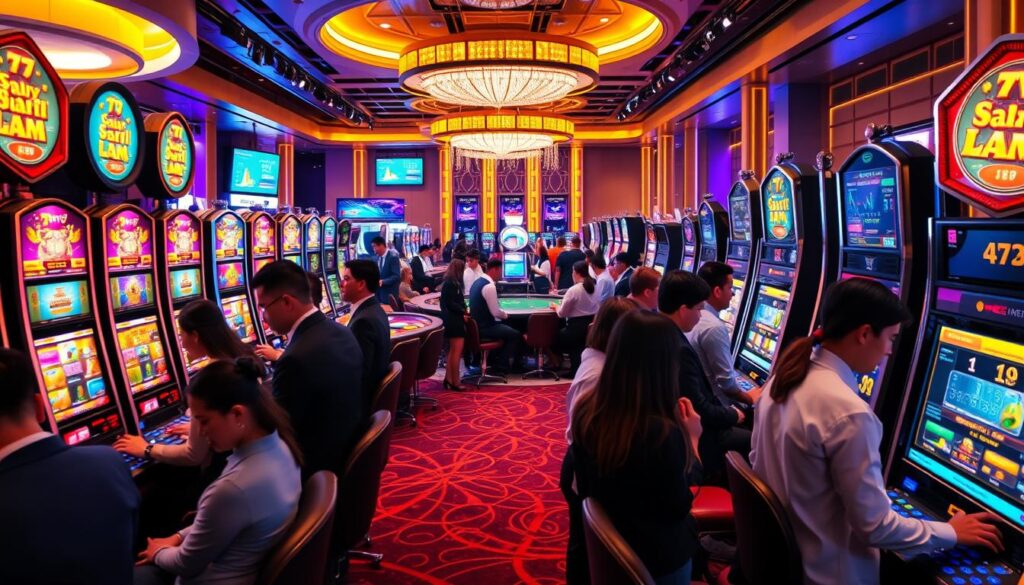
Staffing model ambassadors queue concierge and host routing
In the world of premium mass gaming, staffing is key. The old casino model puts newbies on the mass floor and pros at high-limit tables. But with the premium mass opportunity, we need a new way to staff.
Ambassadors are not your typical hosts. They move around the premium mass floor, finding players who need extra care. They can tell if a player is worth a lot in just seconds. It’s more than service; it’s a skill that affects money.
Queue concierges are the heroes of the premium mass experience. They make sure big players don’t wait long for things like food or the restroom. Waiting too long can lose a player who bets HKD850,000 at once.
Host routing is another challenge. It’s about pairing the right host with the right player. If you get it wrong, you might miss a big player while focusing on a smaller one who’s louder. The game is high-stakes, and we need a smart staffing model.
In short, the premium mass opportunity is more than just fancy casino decor. It’s about having a team that can meet the needs of high-stakes players. Staffing must be precise, aware, and able to create unforgettable moments.
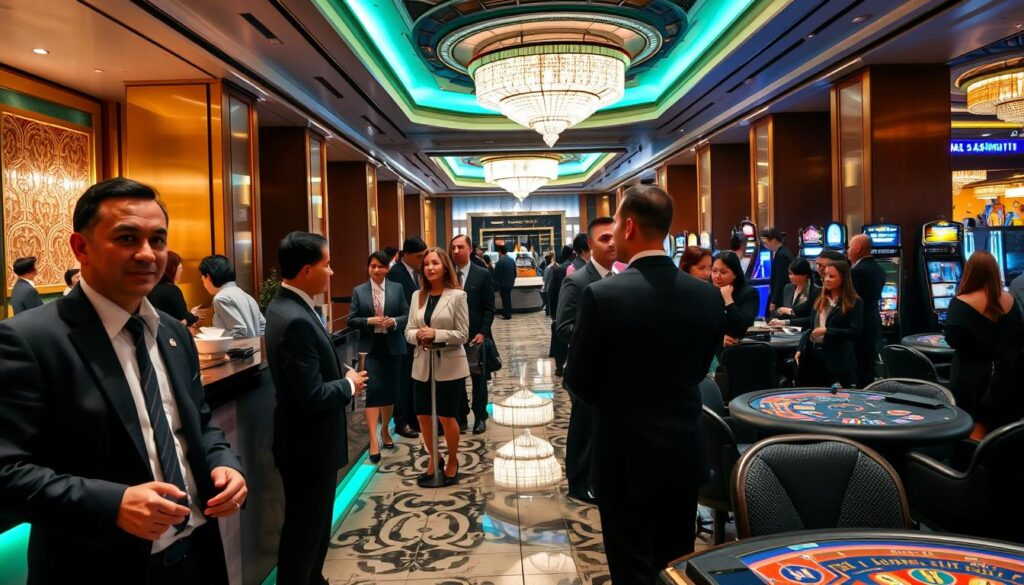
Cross sell suite club box seats packages and card tie ins
Cross-selling suite packages is more than just a sales trick. It’s the key to a top-notch luxury experience. Picture this: you book a suite for the big game and find a world of special experiences waiting for you. This not only increases what you spend but also makes your visit better.
Citigroup analysts say rich mainland Chinese visitors keep the premium segment strong. They spend on both games and other fun activities. The Parisian Macao’s deal with Pop Mart shows how cross-selling can make a visit more than just gaming.
When someone books a suite for a UFC weekend, the welcome email should be more than a simple “thank you.” It should offer a package with guaranteed table minimums, a club table with bottle service, and box seats with a betting terminal. This isn’t just a package; it’s a carefully planned experience to keep guests interested.
The card tie-in is the heart of this strategy. Every dollar spent on the suite, club, seats, and food goes into a loyalty system. This system offers more gaming chances, making guests want to come back.
Experiential spend is more than just a part of the premium player’s journey. It’s the whole idea behind their visit. They’re not just buying a hotel room and some gambling; they’re investing in a full experience where gaming is just one part.
| Package Type | Inclusions | Benefits |
|---|---|---|
| Suite Package | Luxury accommodations, exclusive access | Enhanced comfort and privacy |
| Club Package | Table service, VIP access | Personalized service, social engagement |
| Box Seat Package | Premium seating, betting terminal | Convenience, entertainment |
Risks alienating core mass optics and fair access policy
It’s tough to balance premium mass appeal without alienating core customers. Every move has winners and losers. The risk of losing core customers is real and can hurt earnings.
Properties that focus too much on premium mass can make their main floor feel like a waiting room. This hurts their brand with long-time customers. The way things look matters a lot. A $15 blackjack player seeing empty $50 tables feels unwelcome, not aspirational.
This feeling spreads to many visitors, leading to a big problem. The question of fair access is hard for operators. When table minimums go up, where do $25 players go? If they can’t find a game, they might think your brand is exclusive.
JP Morgan’s Macau analysis warns about the risks. Margin yield might drop as play moves to premium areas. VIPs now make up 16 percent of GGR, but EBITDA estimates are cut by 3 to 4 percent. Premium mass isn’t always more profitable; it needs careful management.
The mid-high table minimums for premium mass can push away core mass. This isn’t always good for revenue. Smart operators keep a balance. They have enough low-minimum tables to keep the main floor lively. They also offer premium options for those who want them.
12 month playbook testing cadence and success KPIs
The journey to success is all about data, not just hopes. It’s like a heist movie where every part is important. The first three months are key. What’s your EGM denom mix? How do table minimums change on big nights?
If you can’t answer these, your plan is just a dream.
Months four to six are for trying new things. Raise table minimums by 20% during big events. See how players react. Create a special tier between regular and VIP players. Watch how they use their rewards closely.
This is when you see what works and what doesn’t.
Months seven to nine are for making things better. It’s not about celebrating small wins. It’s about cutting what fails and focusing on what succeeds. Be specific with your goals. Instead of “increase revenue,” aim for “get 15% more quarters and dollars during events.”
This way, you get real results.
By months ten to twelve, you’ll make your winning strategies bigger. This is where the real magic happens. The premium mass opportunity becomes a well-running machine. Remember, Galaxy Macau got 25% share through careful planning. Stay focused and adapt as needed. The future is for those who prepare today.
For more on making money, check out this resource.